
5 Ways to Care for Your Screen Printer's Hands
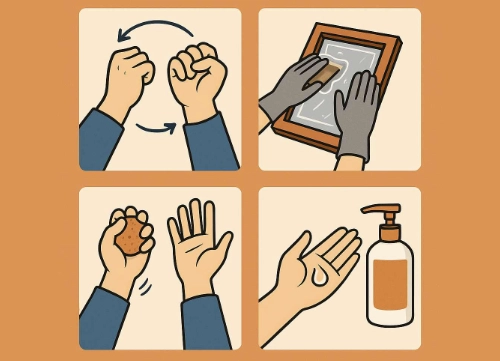
Today, we will explore ways to care for your hands if you are a DTF T-Shirt Printer. While many may feel it’s unnecessary, believe us, hand care is crucial for long-term health.

For printers, whether you are just starting out or have been in the business for a long time, your hands are the most important tool in your profession, especially if you work with traditional silk screens. Whether it’s handling squeegees, lifting screens, cleaning screens, or mixing ink, every step requires physical strength and precision from your hands. Have you ever worked all day and felt exhausted not just in your body but also in your hands, to the point where you don’t want to lift anything? Often overlooked is the importance of “hand care” to ensure they remain functional for a long time.
This article will introduce 5 easy yet highly effective ways to care for your hands, suitable for all screen printers who want to work efficiently without hand pain, finger lock, or future tendonitis risks (repeated daily hand use for hours can lead to various health issues).
Warm Up Your Hands Before Starting Work
Many printers start working immediately after opening the shop or entering the factory without warming up their hands first. Not warming up can lead to muscle injuries. Did you know that your hands are like other muscles? If they are used heavily in repetitive daily routines without changing positions or preparing hands and wrists, tendons may easily become inflamed, especially in the wrists and thumbs, which are crucial for work.
Basic hand warming techniques:
- Stretch your fingers as far as you can, then clench your fists tightly, repeat 10 times.
- Slowly rotate your wrists in circles, both clockwise and counterclockwise, 10 times each.
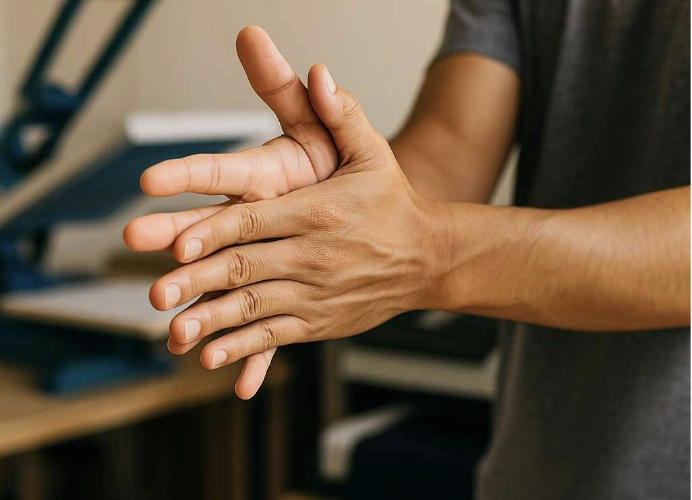
- Use one hand to press the fingers of the other hand straight, hold for about 5 seconds, then switch hands.
These simple steps improve blood circulation in your hands and reduce the risk of tendonitis from repetitive movements during screen printing.
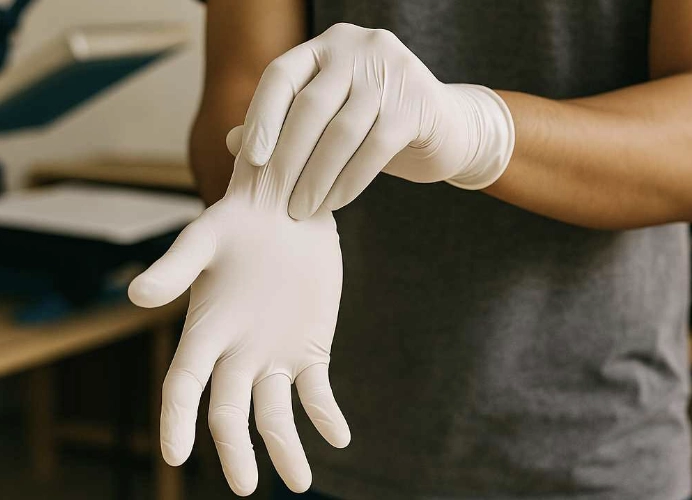
Wear Thin Rubber Gloves While Cleaning Screens
This is crucial for screen printers who primarily work with screens.
The photoresist chemicals used to coat screens or screen cleaning substances like soda ash and pre-mixed screen cleaners can irritate your hands. Even if you are very skilled and clean quickly, repeated daily exposure can thin your skin and cause future injuries.
Additional tips:
- Choose thin rubber gloves that fit well and are not too thick to move easily.
- After use, wash your hands immediately with mild soap and apply moisturizer to keep them hydrated.
Wearing gloves reduces friction between your hands and screens, lowers the risk of finger creases breaking, and helps maintain your nails, which can become brittle from the cleaning process.
Take Hand Breaks Every 2 Hours
Even if you are working non-stop, continuous use without breaks can easily tire the small muscles in your palms and fingers, leading to numbness or even lock-up without notice, making future treatment harder and increasing injury risks. Therefore, taking hand breaks is essential for standing table work throughout the day.
But did you know that taking hand breaks doesn’t mean stopping work entirely? Here are some easy break techniques:
- Squeeze a soft rubber ball, alternating hands, 10 times each.
- Stretch and clench your hands, 10 times each.
- Gently shake your wrists to relax the muscles.
Set an alarm every 2 hours or during work transitions, such as from printing to cleaning screens, to remind your hands to rest.
Choose Equipment That Fits Your Hands
Printers often use existing handles or those provided by the shop without considering if they fit their hands properly. In reality, this is incorrect. Handles are used extensively in screen printing, so they should be lightweight and fit your hand size to ensure precise printing without straining your wrist.
Considerations when choosing equipment:
- Handle material: Choose rubber or EVA for better shock absorption.
- Screen weight: Should not exceed 1.5 kg to avoid repetitive strain injuries.
- Squeegee length: Should fit the screen size to avoid overreaching.
Some printers even make DIY handles to fit their hands perfectly for comfortable all-day work. If you don’t have suitable equipment, it’s essential to make your own for long-term use.
Care for Your Hands After Work
After work, many just wash their hands with soap and forget about them. However, your hands have been exposed to chemicals, dust, and heavy labor all day. Therefore, they need special care to be ready for the next day.
Hand care tips:
- After washing, apply baby oil to seal the skin, or use a moisturizer with glycerin or shea butter for intensive care if your skin is very dry.
- If you have cuts or cracks, apply topical ointment first, then moisturizer.
- If you make it a habit, your hands will stay less dry and usable for years.
Summary
While screen printing may seem like a matter of skill and technique, the first step should be hand care, as hand health is crucial for efficient work. Hand injuries can affect your work quality and production time directly. Starting with warming up, taking breaks, choosing the right equipment, and daily care will ensure your hands remain functional for many years.
Ready to Print Custom DTF with Screen168 Bangkok?
Single pieces to bulk wholesale. Free artwork file check and instant online pricing 24/7.
🚀 View Sizes, Prices & Order Online→