
Top 5 Popular Fabrics for DTF T-Shirt Printing
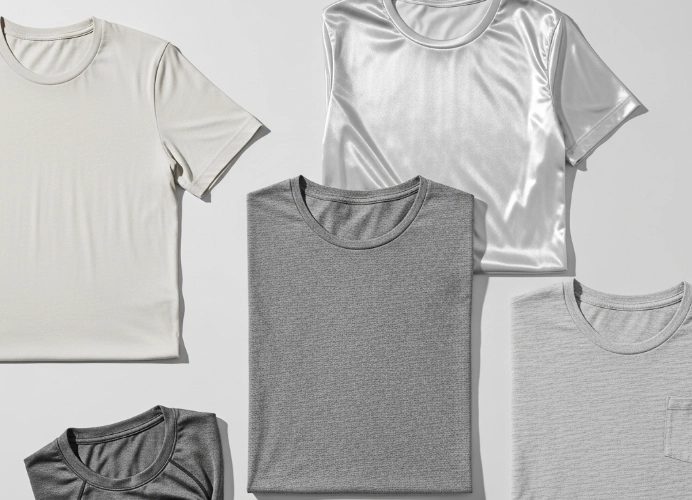
To create a beautiful t-shirt, the process often starts with designing an appealing pattern, but a crucial step that many may overlook is “choosing the fabric.” The fabric determines the feel when worn, durability during use, and the quality of the printing, especially with DTF (Direct to Film) printing, which is a popular method that provides vibrant, sharp, and durable prints on various types of fabric.

Choosing the right fabric is the first step towards producing a perfect t-shirt, and it is a critical factor affecting the quality of the print and customer satisfaction. Today, we will delve into the 5 most popular fabrics for printing, detailing their pros and cons to help you confidently decide which fabric is best for your project.
Understanding DTF Printing
Before we discuss the fabrics, let’s briefly explain DTF or Direct to Film printing. This method involves printing the design onto a special film with fabric-specific ink, then applying a powder adhesive to the film and pressing it onto the t-shirt with a heat press. The advantages of this system include:
Vibrant and Sharp Colors: Captures fine details and provides brighter colors than other systems.
Durability: The print remains intact even after washing.
Versatile on Various Fabrics: Works well on cotton, polyester, or blended fabrics.
Smooth Texture: The print feels smooth and blends seamlessly with the fabric, not feeling thick or rough.
Once you understand how impressive DTF printing is, let’s look at how each fabric type can enhance your DTF prints in unique ways.
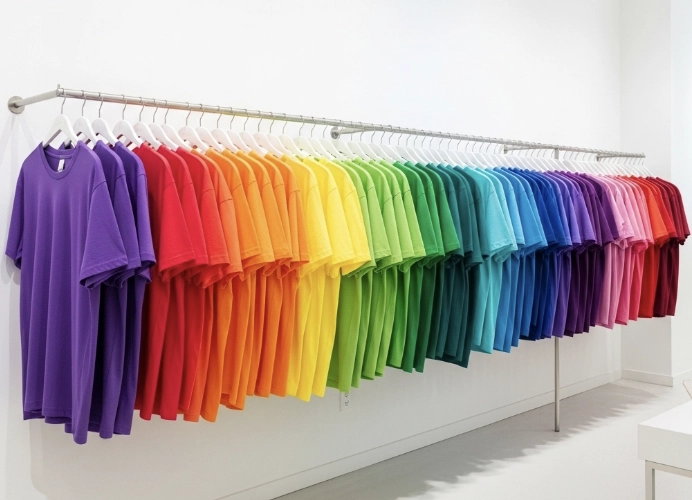
1. Cotton (100%) – The Ultimate Classic
Cotton, or natural cotton fabric, is the king of the t-shirt industry. It is a fabric that everyone is familiar with and has been the most popular choice throughout history. Made from 100% natural cotton fibers, it boasts outstanding properties such as softness and breathability.
Advantages:
- Most Comfortable to Wear: The fabric is soft and fluffy, rarely irritating the skin, even for those with sensitive skin.
- Excellent Air Circulation: It keeps you cool and comfortable, with excellent air circulation, making it ideal for Thailand’s hot weather.
- Good at Absorbing Sweat: It does not feel sticky or heavy during the day.
- Premium Look: Screen printing with DTF on cotton gives a natural feel and looks high-end.
- Beautifully Vivid Screen Printing: The fabric absorbs color well, making DTF prints clear and vibrant, with excellent ink absorption, making the colors sharp and bright. This is popular in the market.
Disadvantages:
- Prone to Wrinkles: After washing, you may see wrinkles in the fabric, requiring ironing to make the shirt smooth. The fabric surface may not be 100% smooth, necessitating ironing before printing.
- Shrinks After Washing: There is a slight chance of shrinking after the first few washes.
- Takes Longer to Dry: Due to its ability to absorb water, it takes longer to dry compared to other fabrics.
- Higher Cost: Due to being 100% natural fibers, it has a higher cost compared to blended fabrics.
Suitable For:
- Brand shirts, team shirts that emphasize quality, casual shirts that require the highest comfort, and shirts for activities that do not produce much sweat.
Recommendation: Choose cotton with fine yarns, such as 32 or 40 combed, to reduce lint and enhance the clarity of DTF prints.
2. 100% Polyester Fabric – Durable, Bright Colors, Quick Drying
Polyester fabric is made from synthetic fibers and has properties that are opposite to cotton in many ways. It is a popular choice for sports clothing and items that require extra durability.
Advantages:
High Durability: The fabric is strong, does not stretch or shrink, and lasts longer.
Resistant to Wrinkles: Almost no need to iron; it can be worn straight out of the dryer and does not shrink after washing.
Quick Drying: Does not absorb water, allowing sweat to evaporate quickly, making it ideal for exercise.
Bright and Vibrant Colors: DTF printing on polyester fabric results in brighter and shinier colors compared to other fabrics. The print is sharper and glossier due to the smooth surface of the fabric.
Cost-Effective: It is a budget-friendly option suitable for large-scale giveaways.
Disadvantages:
Poor Air Permeability Compared to Cotton: It may feel hot if worn in poorly ventilated areas (e.g., exercising in a room without windows) because the fabric is plastic and does not absorb sweat or ventilate well, leading to a stuffy feeling.
Does Not Absorb Sweat Well: It may feel sticky if you sweat a lot.
Less Soft Than Cotton: The fabric is smoother and stiffer than cotton and is not as soft.
Suitable For: Sports shirts, running shirts, fitness shirts, employee uniforms requiring durability, outdoor activities, promotional giveaways, fan club shirts, and running shirts that require low cost but maintain print clarity.
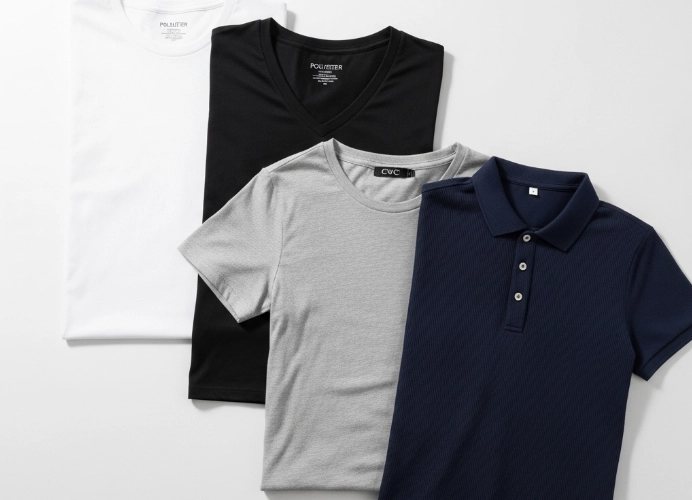
3. CVC Fabric – A Balance Between Cotton and Polyester
CVC (Chief Value Cotton) fabric is a blend of Cotton and Polyester, with a higher percentage of Cotton (e.g., 80% Cotton / 20% Polyester), combining the best properties of both fabrics.
Advantages:
Soft and Comfortable Like Cotton: It remains soft and comfortable to wear but is more durable.
Good Air Permeability: It does not feel stuffy when worn.
Less Prone to Wrinkles Than 100% Cotton: Easier to care for, requiring less ironing than 100% cotton.
Less Shrinkage: The problem of shrinking after washing is significantly reduced.
Affordable: Cheaper than 100% cotton but with good quality.
Disadvantages:
Softness and Sweat Absorption: Still slightly inferior to 100% cotton in these aspects.
Durability: Not as durable as 100% polyester.
Suitable For: T-shirts that require a balance between comfort and cost, company shirts, team shirts, event shirts that require good quality within a limited budget.
4. TC Fabric – Enhanced Durability at an Affordable Price
TC (Tetoron Cotton) fabric is a blend similar to CVC but with a higher proportion of Polyester to Cotton (e.g., Poly 65% / Cotton 35%), making it more durable and cost-effective. The blend of Polyester and Cotton makes it less prone to wrinkling compared to 100% Cotton.
Advantages:
- Durability and Shape Retention: It does not easily stretch or shrink, making it suitable for heavy use.
- Less Prone to Wrinkling: Easy to care for, almost no need to iron, and it withstands washing better, with colors fading slowly.
- Affordable: One of the most cost-effective and economical options, cheaper than 100% Cotton.
- Bright DTF Screen Printing: The higher proportion of Polyester makes the screen-printed colors appear brighter.
Disadvantages:
- Poor Breathability: Due to the high proportion of Polyester, it is less breathable than CVC and Cotton, which may feel slightly stuffy when worn for long periods or in poorly ventilated areas.
- Less Softness: The texture is less soft compared to fabrics with a higher Cotton content.
- Slightly Less Ink Absorption: Compared to Cotton.
Suitable For: Uniforms for mechanics, employee shirts, polo shirts, and workwear that require durability and affordability, such as team shirts, event shirts, or uniforms. Suitable for DTF printing that requires wash durability.
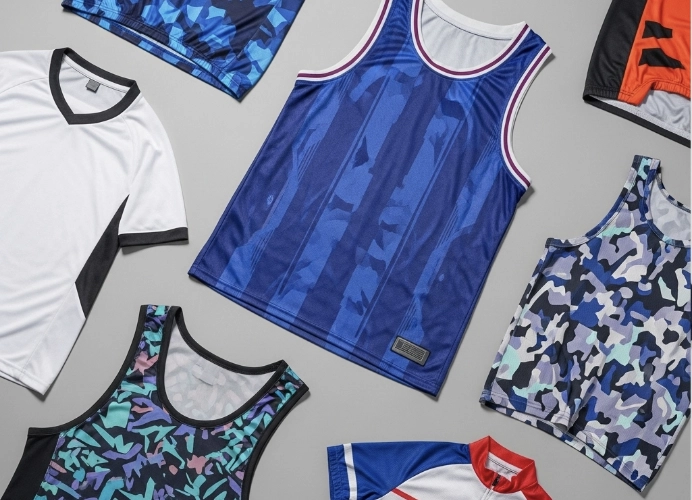
5. Spandex/Lycra Blend Fabric – Flexibility for Every Movement
This fabric is a blend of Cotton or Polyester with Spandex or Lycra fibers (5-10%) to enhance flexibility.
Advantages:
- High Flexibility: Allows for easy movement without feeling restricted.
- Form-Fitting: Makes the shirt look more form-fitting and attractive.
- Good Recovery: Does not easily stretch out even after multiple uses and washes.
- DTF Printing Flexibility: The printed design stretches with the fabric without breaking.
Disadvantages:
- Sensitive to Heat: Requires careful ironing and printing (DTF system manages this well), and screen printers need to be skilled when producing this type of printed shirt.
- Higher Cost: More expensive than other types of fabric.
Suitable For: High-performance sports shirts, yoga shirts, fitness shirts, and fashion shirts that emphasize form-fitting.
Choosing the best fabric depends primarily on the “purpose of use” and “budget.”
- For Premium Comfort: Choose 100% Cotton.
- For Durable Sports Shirts that Dry Quickly: Choose Polyester.
- For a Balance Between Comfort and Price: Choose CVC.
- For Maximum Durability at an Affordable Price: Choose TC.
- For Flexibility and Movement: Choose Spandex/Lycra Blend.
Regardless of the fabric choice, DTF shirt printing technology is ready to create high-quality, vibrant, and detailed work.
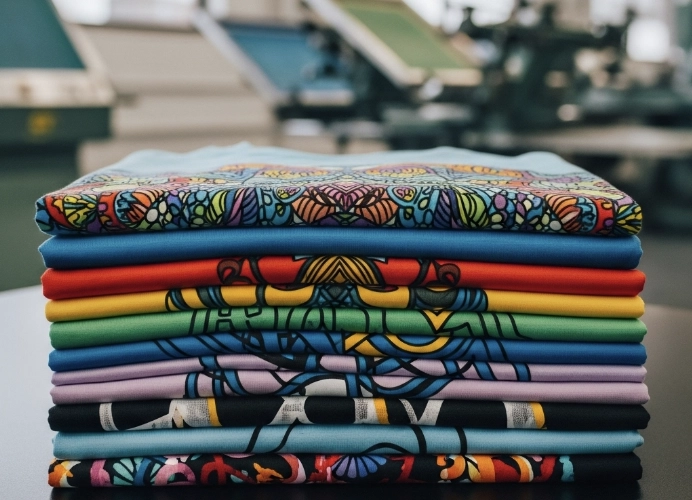
Selecting the right fabric for DTF screen printing not only helps you produce better work but also ensures durability by using the right shirt for different types of work, creating a lasting impression on customers and increasing the likelihood of repeat business. Always test before mass production and choose a DTF system that provides clarity and durability in conjunction with the fabric used.
Ready to Print Custom DTF with Screen168 Bangkok?
Single pieces to bulk wholesale. Free artwork file check and instant online pricing 24/7.
🚀 View Sizes, Prices & Order Online→