
6 Techniques to Prevent Screen Printing Colors from Fading Even with Frequent Washing

Screen printing is extremely popular nowadays, whether for team shirts, event shirts, or fashion. However, many people encounter the problem of the printed colors fading quickly, especially after frequent washing, which makes their favorite shirts no longer as vibrant as before. This issue causes frustration and reduces confidence in wearing them. How can we prevent this so that the printed colors remain bright even after multiple washes?

This article will introduce you to 5 crucial techniques that will help extend the durability of your screen prints, keeping the colors bright even after frequent washing!
1. Choose the Right Ink Type and Technique: The Heart of Durability
The durability of screen prints starts from the production process. Selecting the appropriate ink type and screen printing technique based on the fabric and intended use is crucial. Each type of ink has different properties in terms of adhesion, flexibility, and wash durability.
Plastisol Ink: This is a widely popular ink for screen printing on clothing due to its high durability, bright colors, and flexibility. It is suitable for applications requiring frequent washing. This ink sits on the fabric fibers rather than soaking in, making the colors less likely to fade.
Water-based Ink: This ink is soft and soaks into the fabric fibers, giving the print a lighter and more breathable feel. However, it generally has less wash durability than Plastisol ink unless it is cured at the appropriate temperature and time. High-performance water-based inks have been developed to match the durability of Plastisol ink.
DTG (Direct-to-Garment) Technique: This is a digital printing technique that prints directly onto the fabric, providing high detail and sharp colors. However, its durability depends on the quality of the ink and printer, as well as post-use care.
Heat Transfer Technique: This involves printing a design onto a film and then transferring it onto the shirt using heat. This technique can produce vibrant colors and intricate details, but its durability depends on the quality of the film and adhesive, as well as the temperature and pressure used during the transfer. If the film is of poor quality or not adhered properly, it may peel or crack easily.
Tip: If you are ordering screen prints, consult a screen printing factory or store with expertise to choose the right ink type and technique based on your budget, requirements, and frequency of use to ensure the highest quality and durability.
Our store uses high-quality materials such as film, adhesive powder, and ink, and undergoes production testing and washing tests. We also have engineers who regularly maintain and monitor the printing machines.
2. Separate Screen-Printed Shirts from White and Fuzzy Fabrics

Screen-printed shirts should not be washed with white shirts or fuzzy fabrics such as towels or sweatpants, as this can cause excessive friction, leading to the ink rubbing off or fading, and dark shirts may cause white fabrics to yellow.
Additional Tips:
- Separate dark screen-printed shirts from light ones.
- Turn the shirts inside out before washing to reduce friction on the screen-printed areas.
3. Turn Shirts Inside Out Before Washing: Protect Screen-Printed Designs from Abrasion
This simple yet effective technique helps protect screen-printed designs from damage during washing. Direct friction with other garments or even the washing machine drum can cause the design to scratch or peel off.
By turning the shirt inside out before placing it in the washing machine, the screen-printed design is hidden on the inside, significantly reducing direct contact with abrasive forces. This also prevents the design from snagging or being pulled by other parts of the machine or zippers and buttons of other garments.
Simple Steps: Before putting screen-printed shirts in the washing machine, simply turn them inside out every time. This will help preserve the color and design for a longer time.
3. Choose Gentle Detergent and Avoid Bleach: The Main Enemy of Screen-Printed Colors
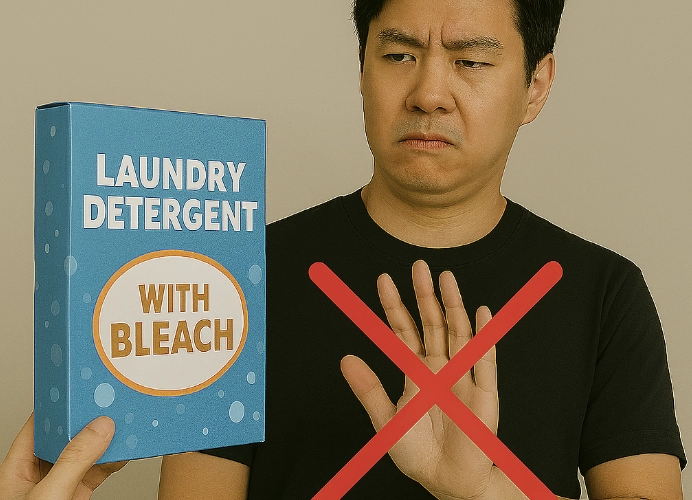
Harsh detergents, especially bleach, are the main culprits in causing screen-printed colors to fade quickly. These chemicals break down the ink pigments, dulling the colors and potentially making the design stiff or brittle.
Water temperature is a critical factor in causing colors to fade, especially for flex or DTG prints. Hot water can cause colors to fade and the ink to come off the fabric fibers much faster, just as bleach can cause colors to fade and designs to crack in a short time.
Choose gentle detergent: Look for detergents labeled “for colored fabrics,” “gentle,” or “for babies,” which have milder chemical compositions and do not damage the colors of fabrics and screen-printed designs.
Avoid all types of bleach: Whether chlorine or oxygen bleach, as bleach severely damages pigments, causing screen-printed designs to fade permanently.
Use cold or lukewarm water: Hot water can cause colors to bleed and damage the flexibility of the design. Washing with cold or lukewarm water will best preserve the color and fabric.
Tip: If the shirt has stubborn stains, spot clean with gentle detergent by hand instead of using a strong detergent in the washing machine.
4. Avoid Aggressive Spinning or High Speed Washing
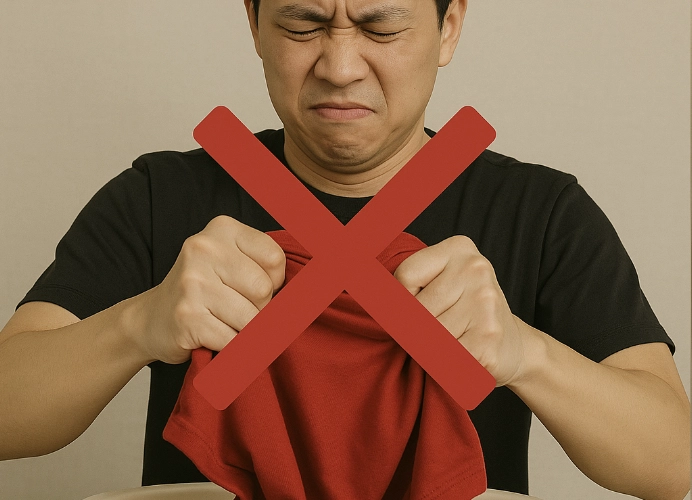
Many people mistakenly believe that vigorous washing in a machine will make clothes cleaner, but in reality, high-speed spinning can damage threads and screen prints more quickly, especially causing cracks in flex prints and causing DTG prints to fade and form stains.
Proper care methods:
- Use a delicate wash program or low spin cycle.
- If possible, hand wash by gently squeezing instead of rubbing. Do not rub the fabric vigorously by hand.
5. Avoid Using a Dryer and Hang in the Shade: Heat Accelerates Fading
High heat from a dryer is another significant factor that accelerates fading and damage to screen prints. Heat causes screen ink to shrink, become brittle, and crack easily. It can also cause colors to spread or change.
Avoid using a dryer: Although convenient, a dryer is a major enemy of screen prints. Avoid using a dryer for any screen-printed clothing.
Hang in the shade with good air circulation: After washing, hang the clothes in a shaded area with good airflow to let them dry naturally. Direct sunlight is another factor that causes colors to fade quickly due to UV rays. Avoid hanging screen-printed clothes in direct sunlight.
Tip: If you must use a dryer and have no other option, set the temperature to the lowest possible setting and dry for the shortest time possible. However, the best option is to air dry naturally.
6. Iron from the Inside and Avoid Direct Heat on Screen Prints: Prevent Heat Damage
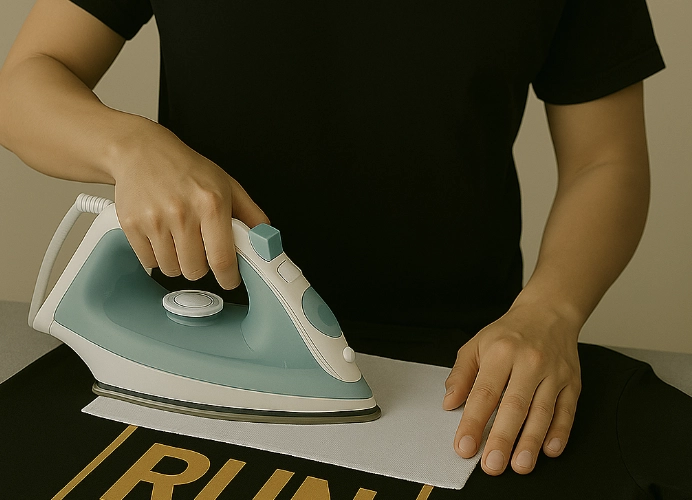
Ironing is another step that requires special care for screen-printed shirts. The heat from an iron can easily damage the print, causing colors to fade, crack, or even melt onto the iron.
Iron from the Inside: When ironing a shirt with a screen print, always turn the shirt inside out before ironing. Ironing from the inside helps protect the print from direct heat exposure from the iron.
Avoid Direct Heat on Screen Prints: If you must iron an area with a screen print, place a thin layer of fabric, such as a clean cotton cloth or a thin towel, over the print before ironing to create a heat barrier. Use low to medium heat settings and avoid ironing for extended periods.
Avoid Using Steam: Hot steam can cause screen ink to soften and deteriorate easily. Avoid using the steam function when ironing shirts with screen prints.
Tip: If the screen print has a raised texture or intricate design, hanging the shirt in a steamy bathroom from a hot shower can help reduce wrinkles without direct ironing.
Maintaining the durability and vibrant colors of screen prints, even after frequent washes, is not difficult if you pay attention to details such as selecting the right type of screen ink and appropriate techniques, as well as proper care in daily life, including turning the shirt inside out before washing, using gentle detergent, avoiding the dryer, and ironing correctly. These six techniques will help extend the life of your favorite shirt’s screen print, allowing you to wear it confidently and enjoy its vibrant colors for a long time.
If you are a fan of screen-printed shirts or are looking for high-quality screen-printing services with durable colors and good-quality inks, we recommend choosing a shop that cares about materials and quality from the start. A good shirt from the beginning makes maintenance much easier.
Ready to Print Custom DTF with Screen168 Bangkok?
Single pieces to bulk wholesale. Free artwork file check and instant online pricing 24/7.
🚀 View Sizes, Prices & Order Online→