
13 Reasons Why DTF Screen Printing Shirts Are Setting New Fashion Industry Standards
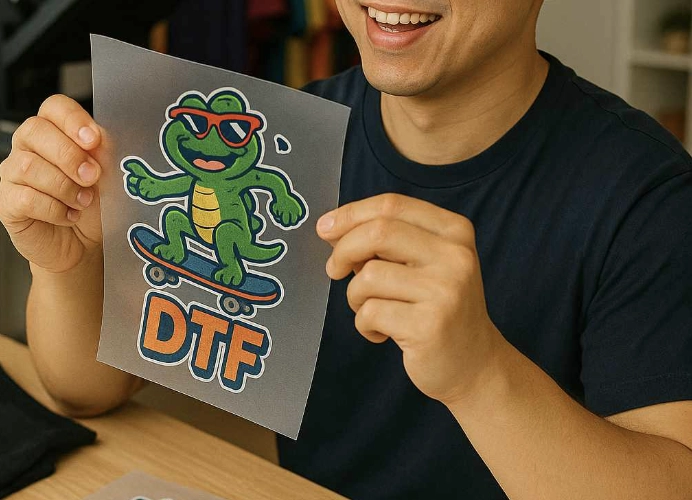
In recent years, the DTF (Direct-to-Film) printing technique has created a phenomenon and rapidly gained popularity in the garment industry, from large-scale manufacturing plants to small businesses, and even online DTF printing shops that have sprung up in abundance.
This phenomenon is a clear indication that this is not just a fleeting fashion trend (Trend), but a structural change (Disruption) in the textile printing industry. Looking back to previous eras, the garment printing industry had limited options. If one wanted sharp, clear prints without creating a block, they had to rely on transfer screen printing or Flex printing, which involved a cumbersome process requiring manual labor to peel off the design (Weeding) with high precision, and there were limitations regarding the stiffness of the fabric texture. However, the arrival of DTF technology has completely shattered these limitations.
Why has this technology been able to win over users and clothing brand owners? Below are 13 in-depth reasons explaining why using DTF printing shops is the best solution in this era.

1. Printing on Various Fabrics with No Fiber Limitations
Unlike the DTG (Direct-to-Garment) system, which is designed to work best with 100% cotton fabric, DTF printing is like a magic key that unlocks all limitations. It can print on cotton, polyester, nylon, spandex, denim, canvas, and other blended fabrics perfectly, without the need to change the type of ink or adjust the process.
Moreover, the DTG system often requires fabric pre-treatment before printing, especially when printing on dark-colored shirts, which involves spraying adhesive and treating the surrounding areas to prevent color bleeding. However, DTF skips this step entirely. The film and powder adhesive of DTF are designed to adhere to almost any type of fiber, reducing the number of working steps, lowering costs, and if customers are unsure about whether new types of fabric will print well, DTF printing shops can quickly test and produce sample prints.
2. High Clarity, Vibrant Colors, and Micro-Details
What makes graphic designers fall in love with DTF is its ability to “faithfully reproduce imagination onto fabric at 100%.” With a high-resolution print head system and the use of CMYK ink and white ink, which serves as an excellent base layer, the patterns from DTF printing shops are vivid, sharp, and do not fade into the fabric’s color.
Most importantly, DTF can print fine details such as thin lines or tiny text without losing any detail, eliminating the need for thick outlines. Additionally, there is no need for die-cutting or peeling off the design like in flex printing. The machine prints the design along with a specific adhesive backing only where there is color, resulting in a smooth, professional finish.
3. Quick Turnaround for Rush Orders
In an era where everything is a race against time, DTF systems are the heroes that best meet the demand for quick printing services. Whether a customer orders just one piece, five pieces, or a large batch of a hundred, the work can start immediately.
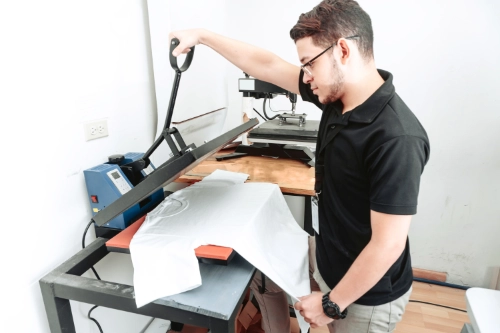
The advantage lies in the “decoupling” of tasks. The printer can continuously print designs onto film sheets in advance, while another team can simultaneously transfer the completed film onto shirts using a heat press. This division of labor allows DTF printing shops to manage time efficiently and deliver rush orders promptly.
4. The Heart of Print-on-Demand (POD) Business
The growth of e-commerce platforms like Shopee, Lazada, TikTok Shop, and Facebook has propelled the Print-on-Demand (POD) business model to new heights. DTF is a crucial piece of this puzzle because clothing brands no longer need to stockpile pre-printed shirts in inventory.
By keeping plain t-shirts in stock, when an order comes in, the pre-printed film can be heat-transferred onto the shirt and shipped immediately. There is no need for screen printing blocks, no minimum order requirements, and the quality is premium, significantly reducing business risks.
5. Excellent Durability, Washable Multiple Times Without Fading
Many people worry that heat-pressed prints might easily peel off like old stickers. However, for DTF printing, the printed patterns undergo a process with polyurethane adhesive powder, which allows them to melt and bond deeply into the fabric fibers.
When washed, the designs remain durable against friction, colors do not fade easily, and they are highly flexible, conforming to the fabric’s texture without cracking when stretched. Most importantly, the texture (hand feel) is not stiff or thick like polyflex.
6. Space-Saving, Ideal for Startups
In the past, setting up a screen printing shop required a large space for long printing tables, ink washing basins, drying racks, and large conveyor ovens. However, for a DTF screen printing shop, even desktop printers or mid-sized printers (30-60 cm) only require a small corner of a room.
There is no need for large ink suction systems or storage racks for screens, making it ideal for SMEs or designers who want to create their own clothing brands from home. However, DTF machines require maintenance, such as cleaning the print head and shaking the white ink tank, and having staff who understand the system can extend the machine’s lifespan and maintain print quality.
7. Meeting the Concept of Hyper-Personalization
Modern consumers do not just want clothes; they want a “space to express their identity.” Screen printing shirts with personal names, signatures, favorite characters, idol groups, or esports teams is becoming a strong trend.
DTF enables DTF screen printing shops to produce these niche market items seamlessly because the file can be adjusted for names, sizes, or colors on the computer before printing, without needing to change the screen. This makes creating family shirts, gang shirts, or couple shirts easy and profitable.
8. Reducing Waste and Minimizing Production Risks
A classic problem in screen printing is that if the color is off, the screen moves, or the print head gets stuck, the shirt becomes waste. However, with DTF, quality control (QC) can be done while the design is still on the film.
If the printed color is incorrect or the design has issues, the technician can cut out the problematic part of the film and reprint immediately, without wasting a single blank shirt. This risk management helps reduce waste costs for the factory significantly.
9. Growing with the “Made-to-Order” Market Without Limits
Consumer purchasing behavior is changing; many are tired of mass-produced items that everyone wears. The made-to-order market, or custom-made items, is growing. The lack of minimum order quantities with DTF allows for diverse applications, from event shirts, fan meeting shirts, organizational sports shirts, premium gifts for customers, to one-of-a-kind birthday presents.
10. Abundant Community, Learning Resources, and Expert Support
Popular global technologies usually come with a strong user community. Currently, finding information on DTF is no longer difficult. There are tutorials ranging from beginner-level videos on YouTube, online courses, to Facebook groups where owners of DTF printing shops exchange knowledge across the country.
New entrepreneurs don’t have to figure things out alone. They can directly ask experts for solutions to problems such as color misalignment, temperature settings, or cleaning the print head. This significantly shortens the learning curve (the time required to learn).
11. High Flexibility and Real-time Design Changes (Agile Marketing)
In an era where social media trends change daily, fashion brands that can keep up with trends are the winners. If a viral phrase or meme emerges overnight, the graphics team can design patterns and send them to the DTF printing machine for production and sale the next morning. This speed is something traditional silk screen systems (which require time to mix ink and create screens) cannot compete with.
12. Supports the Concept of Reducing Textile Waste (Sustainable Fashion)
The fashion industry is known as one of the top contributors to waste in the world (Fast Fashion). However, the advent of DTF helps alleviate this issue. With on-demand production based on actual orders, there is no leftover stock (Dead Stock) that eventually ends up being discarded or burned.
Moreover, the use of water resources in the DTF process is almost zero (compared to dyeing or washing screens), making it an environmentally friendly technology. It is suitable for new brands that want to promote climate change campaigns and care about the ecosystem (for more details, read our article on environmentally friendly T-shirt printing with DTF).
13. Technology That Is Not Stagnant and Has a Promising Future
DTF is not a dead-end technology. Currently, major printing companies are continuously investing in research and development, such as developing powderless DTF systems, which will reduce steps, minimize glue dust, and produce even lighter results. Or developing recyclable film sheets.
Entrepreneurs who start learning and adapting to DTF technology today are like buying the first ticket to board the train of the future. As technology advances further, the existing infrastructure and basic skills can easily be upgraded to more advanced machines.
3 Key Tips for Choosing a “DTF T-Shirt Printing Shop” to Get Quality Work
Currently, there are numerous service providers for this printing system. How do we know which one to choose? If you are a brand owner or need to order a large number of t-shirts, here are 3 important checklists to evaluate the standards of a DTF t-shirt printing shop:
-
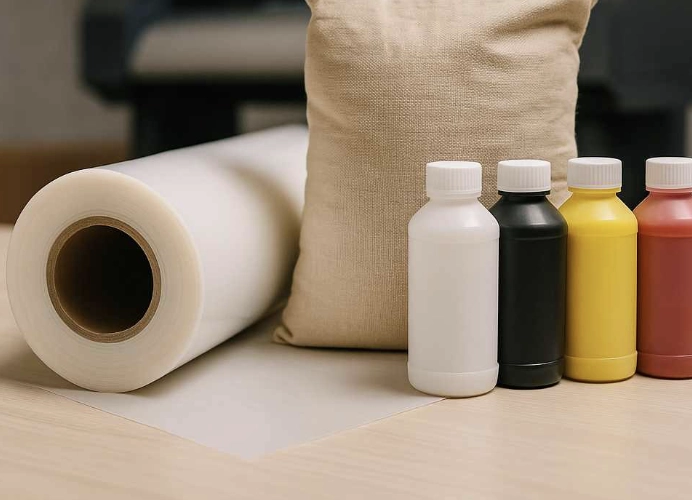
Quality of ink and film sheets used by the shop: A good printer must be paired with high-standard consumables. Professional printing shops will use genuine ink and premium TPU (Thermoplastic Polyurethane) powder, which will ensure high flexibility of colors, no fading after washing, no stickiness, and safety for the skin of the wearer.
-
Expertise in graphic file management (Color Management): Colors on the screen (RGB) are usually brighter than the actual printed colors (CMYK). Professional printing shops will have a team to check the file, recommend resolution settings (at least 300 dpi), and adjust the colors before printing to ensure the result is as close as possible to the original file, rather than just printing without further adjustments.
-
Proofing service before actual production: For large orders, standard shops should offer a small test print or print on a fabric sample for the customer to review, to assess the clarity and size of the design to ensure it fits the t-shirt properly. This helps reduce errors and increases customer confidence.
13. Future Development
The DTF system still has room for future development, such as currently requiring powder in the printing process, but in the future, this step might be reduced, making the work cleaner. Or there might be technology to reduce other working steps in the future.
Those who start using DTF today have the opportunity to grow alongside future technology, which is an opportunity for new entrepreneurs.
DTF is not just changing the printing format but also changing the way of thinking in the t-shirt printing business, in terms of production, marketing, and customer needs. Those who understand and benefit from DTF printing will have the opportunity to create flexible, adaptable, and growing businesses even in a rapidly changing economy.
DTF printing is not just an option but is becoming the “new standard” for digital t-shirt printing businesses, with flexibility, high quality, and responsiveness to individual consumer trends. This technology is not just “popular” today but is also expected to “grow” steadily in the future.
Therefore, if you have not yet purchased clothes printed by the DTF system, I recommend trying it out because you will see the difference in the quality of the work compared to the traditional system, as this system can produce detailed prints that match the original file.
Bonus Tips: How to Care for DTF Printed Shirts to Ensure Longevity and Bright Colors for Years
Although DTF technology is highly durable, proper care is still essential to extend the lifespan of your printed shirts. Here are some simple guidelines:
-
Turn Inside Out Before Washing: Always turn the shirt inside out before washing to prevent the printed design from rubbing against other clothes, zippers, or buttons in the washing machine.
-
Avoid Hot Water and Bleach: Wash with normal water temperature and avoid using harsh bleach, as it can degrade the adhesive structure and cause the printed colors to fade faster than usual.
-
Do Not Iron Directly Over the Print: This is crucial! When ironing, turn the shirt inside out and iron from the back of the design. If you must iron the front, place a thin cloth like a handkerchief over the print before using the iron to prevent the heat from damaging the film.
Conclusion: Embrace the New Standard with DTF Screen Printing
DTF technology is not just changing the printing process but also the “way of thinking” and “business model” of the garment printing industry. It impacts inventory management, trendy marketing strategies, and customer satisfaction. Those who understand and leverage this technology first will have the opportunity to build flexible, adaptable, and growing businesses even in volatile economic times.
Printing shirts with DTF is no longer just an alternative option; it has become the “new standard” for DTF screen printing businesses in the digital age.
If you are a brand owner or looking for custom printed t-shirts, we recommend giving DTF technology a try to experience the clear difference in quality, vibrant colors, and durability that you can truly feel!
Ready to Print Custom DTF with Screen168 Bangkok?
Single pieces to bulk wholesale. Free artwork file check and instant online pricing 24/7.
🚀 View Sizes, Prices & Order Online→