
DTF Screen Printing on Sports Shirts and Spandex: Flexible and Stretchable Techniques
In an era where health and fitness trends are continuously on the rise, the design and screen printing of sports clothing has become a rapidly growing industry. Whether it’s running shirts, football jerseys, cycling gear, or yoga outfits, these garments often incorporate “spandex” fibers, also known as elastane, which are highly elastic. As a result, wearing sports clothing in daily life or as a company uniform has become increasingly popular due to their comfort, fit, and breathability.
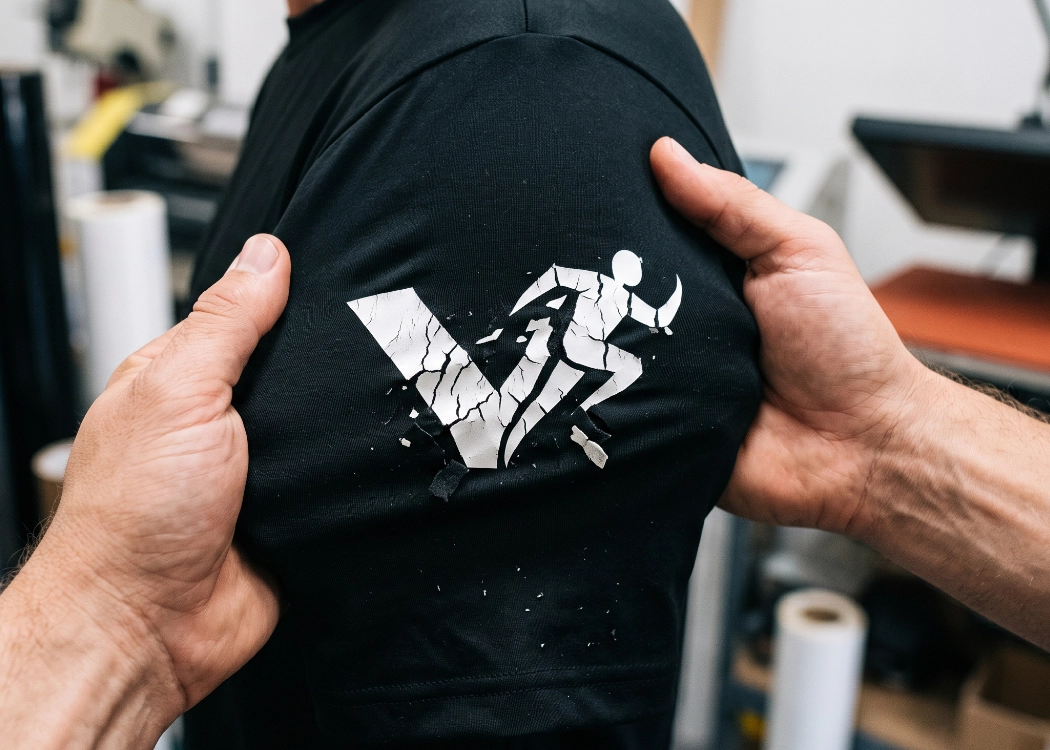
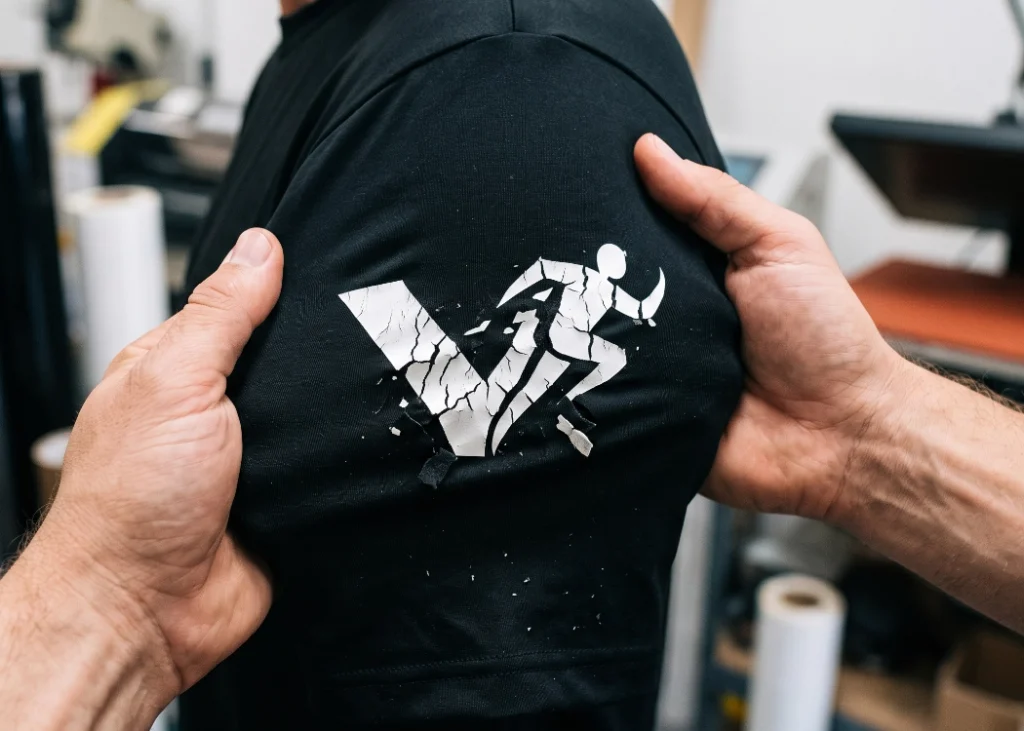
Currently, screen printing on spandex-blended fabrics is highly popular. However, for manufacturers or brand creators, a common issue encountered when printing on this type of fabric is that the screen prints often crack, peel off, or become too tight, causing the fabric to lose its shape when the wearer moves. This article will delve into every step of the DTF (Direct to Film) printing technique on stretch fabrics, ensuring that the designs are beautiful, durable, and flexible enough to move with the body without cracking.
Understanding Spandex Fabric and the Challenges in Printing
Before we dive into the printing techniques, we need to understand the structure of the fabric. Spandex is a synthetic fiber designed to stretch up to 5-8 times its original length and return to its original shape without losing its form. In the sports clothing industry, spandex fibers (about 5-15%) are often blended with polyester or nylon fibers to create a fabric that is durable, lightweight, and elastic.
Why is printing on spandex fabric difficult?
-
High Elasticity: If the ink or adhesive used in the screen printing does not have the flexibility to match the fabric, the screen print will crack immediately when the garment is worn and stretched.
-
Dye Migration: Polyester and spandex fabrics are often dyed with disperse dyes. When exposed to high heat from a heat press, the fabric color (especially dark colors like black, red, and navy) can migrate and mix with the screen print color, causing lighter screen prints to fade or distort from the original design.
-
Heat Sensitivity: Spandex cannot withstand high heat for long periods. If the heat press temperature or time is too high, the fabric may shrink, become shiny, develop burn marks, or permanently lose its elasticity.
Why is DTF Technology the Best Solution for Printing on Sports Shirts?
DTF, or Direct to Film, is a printing technology that involves printing pigment ink onto a PET film, followed by applying hot melt powder and heating it to melt the adhesive, then pressing it onto the fabric. In the past, sports shirts were typically printed using sublimation (dye sublimation) or polyflex (cut and transfer stickers) methods. Sublimation can only be used on light-colored fabrics, while polyflex results in a thick layer that makes the shirt stiff.
DTF technology solves these issues perfectly by allowing printing on any fabric color without fabric type limitations. It provides vibrant colors with photo-quality clarity and can accurately print gradient colors or intricate details. Most importantly, the hot melt powder can be customized to have high elasticity to accommodate spandex fabrics.
Techniques for Durable DTF Printing on Sports Shirts
To achieve optimal results and reduce production waste, DTF printing on sports shirts requires meticulous attention to detail in the following areas:
1. Using High-elasticity Hot Melt Powder
This is the most crucial aspect when working with stretchable fabrics. There are various grades of DTF hot melt powder available, and for spandex, you should use high-elasticity powder (Stretchable Powder or Soft Stretch Powder). This type of powder has finer particles and a chemical structure that allows the adhesive film to stretch and retract better, ensuring that the printed design remains smooth and does not crack when stretched.
Additionally, if you are printing on black or bright red polyester, it is recommended to use black DTF powder or powder with anti-sublimation properties to prevent dye migration from the fabric and preserve the print’s vibrancy.
2. Controlling Heat Press Temperature and Time
Since spandex is sensitive to high heat, precise settings on the heat press are necessary to prevent fabric damage. The rule of thumb is to use “lower temperature but adequate time.”
-
Recommended Temperature: Approximately 140 - 150 degrees Celsius (compared to 160 degrees Celsius for cotton).
-
Pressing Time: 10 - 15 seconds.
-
Pressure: Medium to heavy pressure to ensure the adhesive penetrates the fabric fibers, but be cautious not to apply too much pressure that leaves permanent marks on the fabric.
3. Film Peeling Techniques (Peeling Method)
DTF film comes in three types: hot peel, warm peel, and cold peel. For printing on high-stretch sports shirts, cold peel film is the safest option. Allowing the printed item to cool completely before peeling the film helps the TPU adhesive set and bond fully with the spandex fibers, reducing the risk of the screen print edges lifting off when the film is removed.
4. Post-Press Rolling for Durability
After peeling off the film, the job should not be finished immediately. A crucial professional step is the second rolling (Post-Press) by placing a Teflon sheet or parchment paper over the screen print and rolling it again with the same heat for about 5-10 seconds. This step helps push the adhesive and ink deeper into the fabric fibers, making the print surface smooth and non-abrasive, and significantly increasing its wash durability. This completes the perfect printing process for sports shirts.
Designing Artwork for Stretch Fabrics
No matter how excellent the printing techniques are, if the design does not match the usage characteristics of sports shirts, problems may arise later.
-
Avoid Large Solid Color Blocks: Printing large solid blocks on the chest or back area can reduce breathability and make the shirt stiff. When bending or twisting, it may feel restrictive.
-
Use Halftone or Distressed Techniques: If large designs are required, use halftone or distressed effects to create open spaces (negative space) for the fabric to breathe and increase the flexibility of the screen print.
-
Line Thickness: Graphic lines should be at least 1-2 millimeters thick to ensure the powder adhesive can adhere properly. If the lines are too thin (fine lines), they may easily peel off when the fabric is stretched.
Care Instructions for Screen-Printed Sports Shirts
Extending the lifespan of screen prints on sports shirts is not solely the responsibility of the manufacturer but also depends on the wearer’s care methods. Here are some recommendations for customers:
-
Turn Inside Out Before Washing: Turn the shirt inside out before washing to prevent the screen print from rubbing against other clothes or the washing machine.
-
Use Normal Water Temperature: Wash with cold or room temperature water and avoid hot water, as heat can degrade the adhesive.
-
Avoid Bleach and Fabric Softeners: Harsh chemicals can damage the DTF ink and adhesive layers.
-
Do Not Use High Heat for Drying: High heat in a dryer is the enemy of screen prints. Air dry in a shaded area with good air circulation.
-
Ironing: If ironing is necessary, turn the shirt inside out and iron with low heat. Do not let the iron touch the screen print directly.
Boost Your Business with Standardized DTF Technology
Printing on sports jerseys and spandex fabric is not overly difficult if you understand the material properties and use the right technology. DTF systems offer flexibility in both production processes and design, enabling businesses to handle a variety of orders without minimum quantity restrictions or color limitations. This caters to the current consumer behavior trend towards greater personalization.
Entering the digital age of garment printing fully opens up numerous new opportunities. Whether you are an organization needing high-quality team shirts, a business requiring large quantities of uniforms (B2B), or an individual customer looking for a one-of-a-kind design (B2C), choosing a printing shop that specializes in and truly understands stretch fabrics is key to success.
Screen 168 is a full-service printing expert ready to support your business growth. With modern DTF printing technology and a web-based ordering system designed to cater to both B2B clients seeking consistent production standards and B2C customers looking for convenience and speed, we meticulously select high-quality powder adhesives, control temperatures, and handle film removal to ensure that every sports jersey design is sharp, vibrant, durable through washing, and most importantly, flexible enough to move with every action without cracking.
Ready to Print Custom DTF with Screen168 Bangkok?
Single pieces to bulk wholesale. Free artwork file check and instant online pricing 24/7.
🚀 View Sizes, Prices & Order Online→