
Ultimate Guide for Professional DTF Screen Printing Shops: Quality Work and Pre-Dispatch Checklist
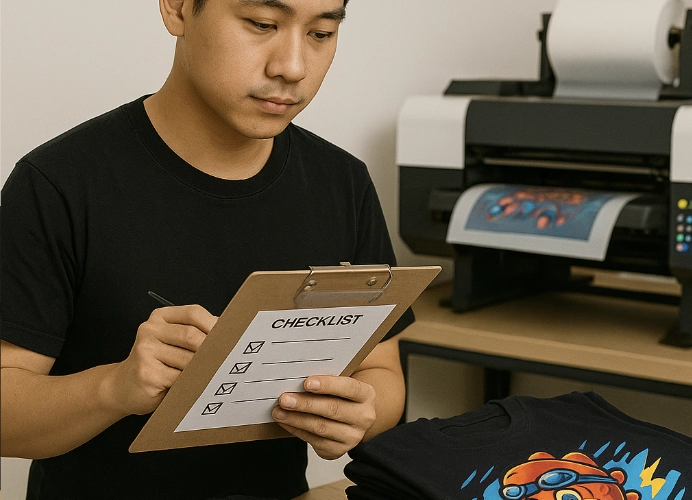
In the ever-evolving world of screen printing, DTF (Direct to Film) technology has emerged as a revolutionary star, transforming the industry with its ability to print sharp, vibrant designs and its flexibility in working with various fabric types, including cotton, polyester, and blended fabrics. This has made DTF an indispensable technology for professional screen printing businesses.

Delivering screen-printed products to customers is not just about completing the print job; it is a crucial step that professional shops must pay attention to. Even the slightest flaw can undermine customer confidence and lead to a loss of business, especially in today’s competitive environment where online reviews heavily influence a shop’s credibility.
If you own a screen printing shop or are looking to elevate the quality of your DTF work, this article is a comprehensive guide that delves into every aspect of DTF printing, from preparation to quality control before delivery, ensuring that every piece is a masterpiece that leaves a lasting impression.
Why is DTF the Future of Screen Printing?
Before diving into the details, let’s understand why DTF is a superior choice compared to traditional screen printing methods in many ways:
Highest Clarity and Detail: DTF produces prints with the sharpest details, with lines that do not blur, even for complex designs.
Vibrant and Lively Colors: Using high-quality ink and precise printing technology, DTF can create prints with vivid, beautiful colors that meet customer expectations.
Versatility in Materials: This is the standout strength of DTF. Whether your customers want to print on t-shirts, aprons, tote bags, or even hats, DTF can handle it effortlessly.
Durability: DTF prints are highly durable and do not fade easily, even after multiple washes, ensuring long-lasting quality for customers.
Faster Production Process: DTF simplifies complex preparation steps, allowing for quick production and efficient handling of urgent orders.
The Key to High-Quality DTF Printing: Perfect Preparation
The quality of DTF work begins with meticulous preparation. Paying attention to every detail helps reduce errors and increases the chances of achieving the most perfect prints.
1. Graphic Design
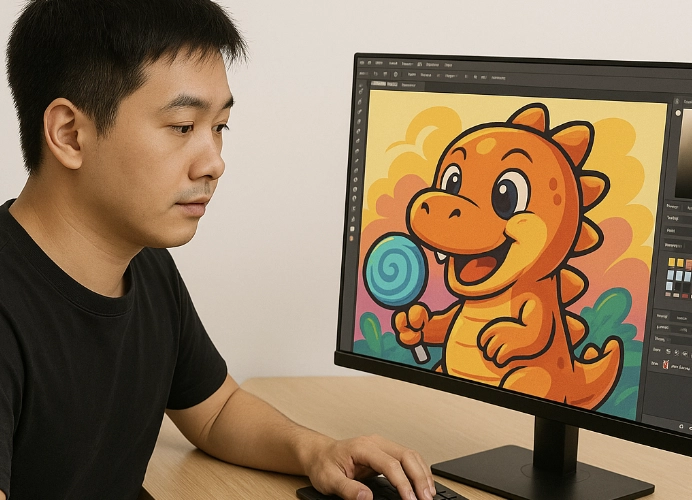
Image Resolution: Use high-resolution files (at least 300 DPI) to ensure sharp print quality without pixelation.
Color Mode: For DTF printing, use the CMYK color mode to achieve colors that closely match the real colors.
Transparent Background: If only the design should appear on the fabric, save the file as a PNG with a transparent background.
Color Management: If there are special colors that require high accuracy, use Pantone codes or ensure color calibration from the start.
2. DTF Printer Setup and Materials
High-Quality DTF Ink: Select DTF ink with good adhesion, vibrant colors, and durability to directly impact the quality of the work.
DTF Film: Choose DTF film that is the appropriate thickness and quality for the type of work. Good film helps the ink adhere well and peels off easily after ironing.
Hot Melt Powder: High-quality powder adhesive helps the ink adhere strongly to the fabric and withstand washing.
Printer Maintenance: Regularly check and clean the print head to prevent clogging and maintain consistent print quality.
Printer Settings: Adjust resolution (DPI), color mode, and ink volume to suit the file and type of film.
3. Preparing the Fabric
Fabric Cleanliness: Ensure the fabric is clean and free from dust, fibers, or any dirt that may affect the adhesion of the screen printing.
Ironing the Fabric: Ironing the fabric flat before applying the film helps ensure smooth and wrinkle-free screen printing.
Ultimate Checklist! Inspect DTF work before delivering to customers.
This is the most crucial step for professional screen printing shops. Having a robust quality control system before delivering work to customers helps prevent errors, increase customer satisfaction, and build trust in your shop.
Step 1: Inspect the DTF Film After Printing and Powder Application
Print Quality: The printed design on the film must be clear, not blurry, cracked, or torn.
Color Accuracy: Ensure the colors on the film match the customer’s file. If there are slight color discrepancies, adjust the printer’s color profile.
Even Powder Application: The powder adhesive must adhere evenly to the inked areas without any spots where the powder does not stick or clumps excessively. It should cover the design without any loose or missing areas.
Foreign Objects: Check for dust, hair, or other contaminants on the film that may affect the quality of the work.
Step 2: Inspect After Film Curing
Powder Adhesion: After curing, the film should have a uniform appearance, with the powder fully melted into the ink, leaving no residual powder particles.
Film Flexibility: The cured film should be flexible, not rigid or brittle. Test the initial film removal to ensure it is not sticky.
Step 3: Inspect After Heat Pressing onto the Fabric
Screen Adhesion: Gently scrape the edges of the screen with your fingernail to ensure there is no lifting or tearing of the screen, indicating good adhesion to the fabric. The curing temperature must be appropriate for the type of powder and ink used; overheating can cause color distortion.
Smoothness of the Screen: The screen should be smooth and flat against the fabric, without air bubbles, wrinkles, or ink smears.
Print Quality on Fabric: Check the clarity of the design, color accuracy, and absence of dark spots or ink smears on the fabric.
Screen Position: Verify that the screen is placed in the correct position as per the customer’s requirements, such as centered on the shirt or another specified location.
Overall Fabric Cleanliness: Ensure the garment is free from stains, ink smears, or any damage from the production process.
Step 4: Final Inspection and Packaging
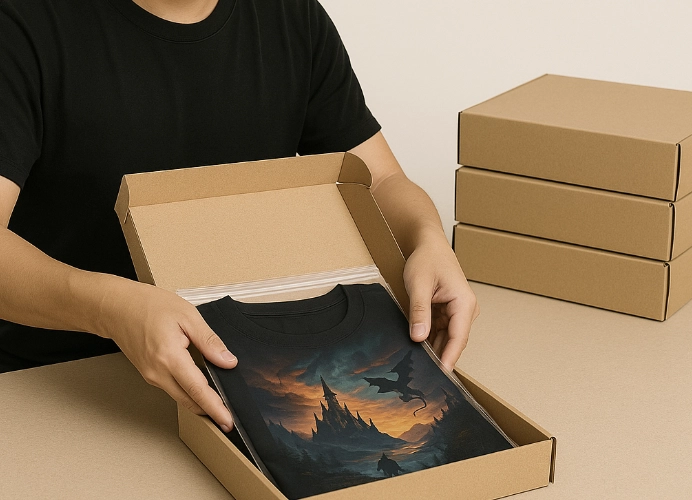
Count the Pieces: Verify the number of pieces matches the production order.
Check Sizes: Ensure each piece matches the size/size specified by the customer.
Folding and Packaging: Fold the work neatly and package it in appropriate packaging to prevent damage during shipping.
Labels/Tags: Attach labels or tags with the correct customer information for easy shipping.
Step 5: Washing Test (For OEM Orders or Large Quantities)
Even though DTF is more wash-resistant than traditional transfer methods, testing before mass production is a standard practice for professional shops.
Wash by hand or machine 3-5 times and check for peeling, fading, or cracking. Compare with the sample to confirm quality.
Additional Tips for Professionalism
Sample Print: For large orders or sensitive projects, print a sample piece to check quality before full production.
Communicate with Customers: If there are issues or questions about the file, inform the customer for guidance or corrections before production starts.
Customer Feedback: After delivery, ask for customer feedback to improve and enhance service quality.
Data Recording: Record printer settings for each piece to reference for future reproductions.
Why is Quality Inspection Before Delivery Important?
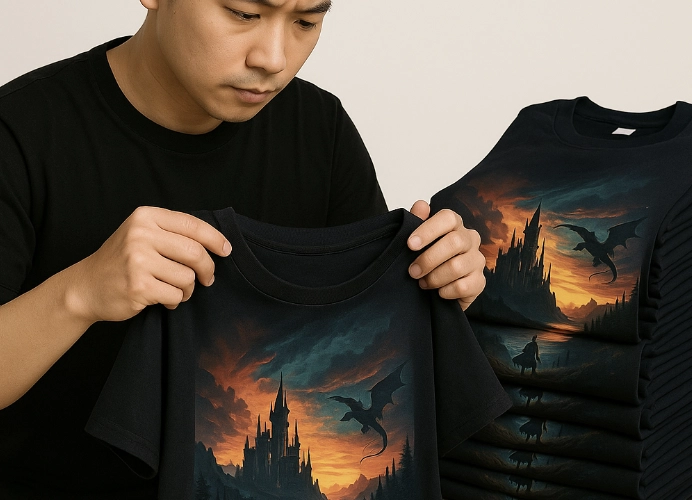
Reducing rework and hidden costs, increasing shop credibility in the eyes of customers, enhancing satisfaction, and encouraging repeat business and word-of-mouth referrals or social media mentions.
Being a professional DTF screen printing shop is not just about having modern equipment but also paying attention to every detail of the production process and, most importantly, having a strict quality control system before delivering work to customers.
Ready to Print Custom DTF with Screen168 Bangkok?
Single pieces to bulk wholesale. Free artwork file check and instant online pricing 24/7.
🚀 View Sizes, Prices & Order Online→