
How Extreme Temperatures Affect DTF Ink? Secrets Screen168 Print Shops Must Know
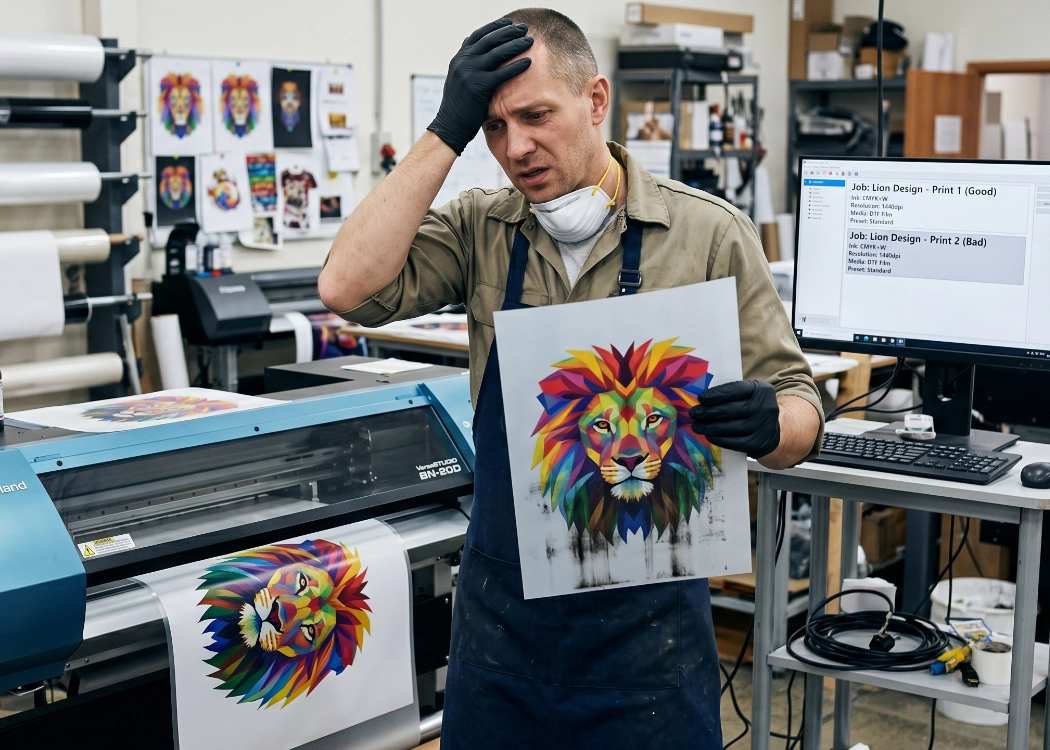
Revolutionizing T-Shirt Printing with DTF Technology
In an era where Direct to Film (DTF) printing technology has transformed the screen printing industry, we can now produce vibrant, multi-colored prints on any fabric. However, many printers have faced frustrating issues such as inconsistent print quality and clogged printheads, even when using the same ink and settings.
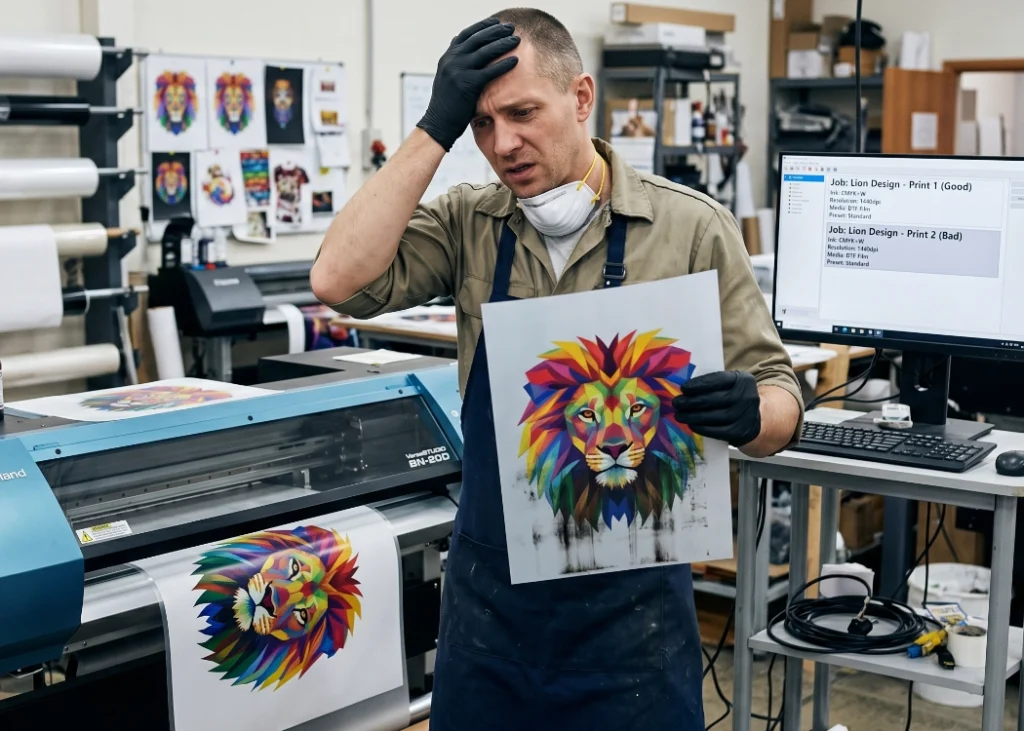
One aspect that many new DTF printing shop owners often overlook is the “work environment,” particularly “temperature” and “humidity.”
Today, Screen 168 will delve into the chemical and physical reactions that affect DTF ink and printer components when the temperature is too high or too low, helping you maintain professional print quality.
Understanding the Nature of DTF Ink
First, it’s important to know that DTF ink is a water-based pigment ink, consisting of suspended pigment particles in a solvent or water-based liquid. The balance of this mixture is designed to work optimally in a specific environment, with the key variable being “viscosity,” which varies directly with “temperature.”
The ideal temperature and humidity for a DTF printing room should be: 20°C - 25°C (Celsius) and relative humidity of 40% - 60%.
When the Work Environment is “Too Hot” (Overheating)
In Thailand’s hot climate, especially in rooms without air conditioning or near windows where sunlight shines directly, if the room temperature exceeds 28°C - 30°C, the following issues may arise:
- Reduced Viscosity (Ink is Too Thin)
As the temperature rises, DTF ink loses its viscosity and becomes overly liquid. When the ink is too thin, it won’t form sharp dots on the PET film but will bleed or spread out, causing blurry prints and potentially mixing with the white ink, leading to color distortion and dullness.
- Printhead Drying and Clogging
Heat causes the water-based components in the ink to evaporate quickly. If left idle in a hot room for just a few hours, the ink at the nozzle tips will dry and solidify, causing printhead clogs that are difficult to clean.
- Faster White Ink Sedimentation
White ink, containing titanium dioxide (TiO2), is heavier. When heated, it settles faster in the tank and damper, leading to incomplete or missing white prints.
When the Work Environment is “Too Cold” (Too Cold)
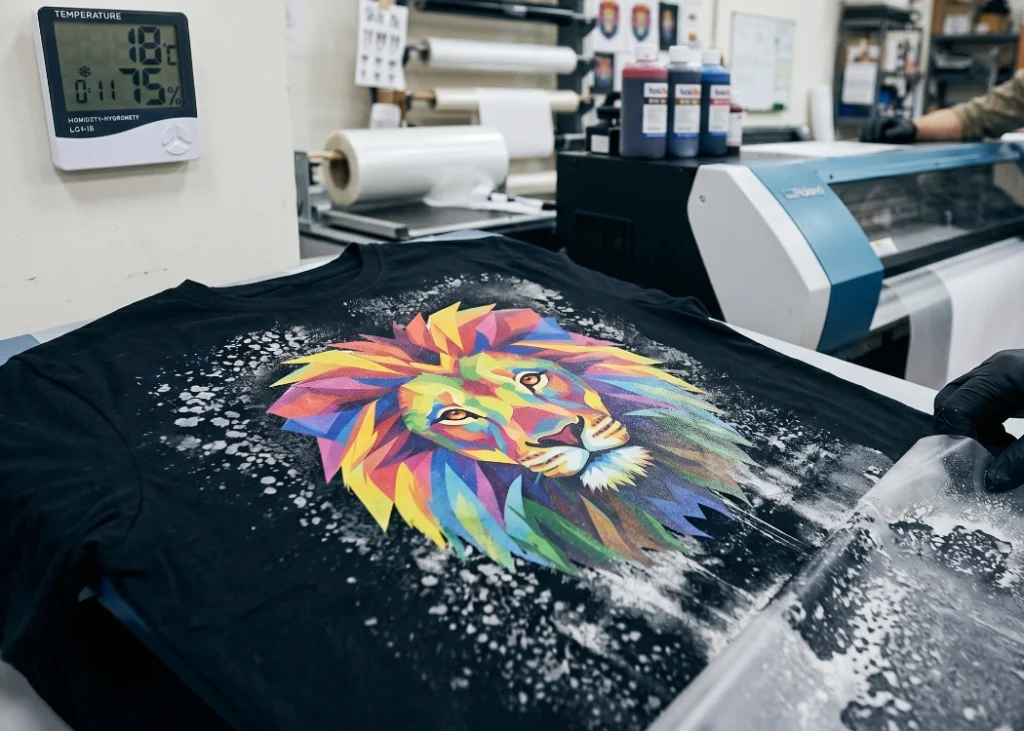
Conversely, setting the air conditioning too low (below 18°C) or in cold winter conditions can create significant issues:
- Increased Viscosity (Ink is Too Thick)
As the temperature drops, DTF ink becomes thicker and more viscous (imagine syrup in a refrigerator). This makes it harder for the ink to flow through the tubing system.
- Ink Starvation and Banding
When the ink is too thick, the printer’s pump and mechanisms need to work harder. During printing, the ink in the damper is used up faster than it can be replenished from the tank, leading to banding and missing colors in the print.
- Slower Drying and Adhesive Misplacement
In colder temperatures, the ink takes longer to set on the film. When the film moves to the adhesive powder stage, residual moisture on the film in non-patterned areas can cause the powder to adhere incorrectly, resulting in adhesive stains around the print when transferred to the garment.
Professional Methods to Control the Environment
To address these issues sustainably, DTF printing shops should manage their workspace as follows:
- Install Air Conditioning: Essential for DTF printing, maintain a temperature of 22°C - 25°C while the printer is in use.
- Use a Hygrometer: A small device that monitors temperature and humidity, crucial for printhead longevity.
- Avoid Direct Airflow: Position printers away from direct air conditioning to prevent printhead drying.
- Use a Humidifier: If the air conditioning lowers humidity below 40%, use a humidifier to prevent static and ink drying issues.
Conclusion
While DTF printing is easy to use and produces beautiful results, the stability of the screen printing process heavily relies on “temperature and humidity.” Overheating can cause ink bleeding and printhead clogs, while cold conditions can lead to thick ink and banding issues.
Investing in environmental control is the most worthwhile investment to extend the life of components and minimize production waste. If you can control the temperature, DTF printer issues can be reduced by more than half.
At Screen 168, we have experienced and resolved these issues firsthand. If you’re looking for a high-quality screen printing partner, contact us today.
Ready to Print Custom DTF with Screen168 Bangkok?
Single pieces to bulk wholesale. Free artwork file check and instant online pricing 24/7.
🚀 View Sizes, Prices & Order Online→