
In-Depth Look at 5 Classic Screen Printing Issues in the Silk Screen System and Professional Fixes
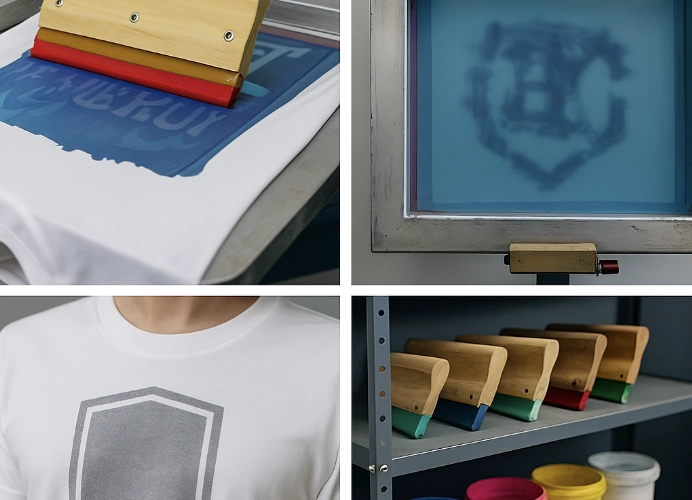
For screen printing shops that use the silk screen system, no one can avoid encountering annoying problems during work. You may intend to print beautiful designs, but the results may have blurry edges, bleeding colors, or incomplete patterns. These issues are crucial tests that every screen printer must face, and understanding the root causes is key to improving skills and quality.

Today, I will share the five most common screen printing problems, along with their causes and professional solutions, so you can handle any situation and consistently create high-quality work.
Problem 1: Blurry Edges
Causes: Misalignment of the screen, insufficient adhesion of the fabric, or improper printing technique.
Solutions: Ensure the screen is properly aligned, use adhesive sprays to secure the fabric, and practice proper printing techniques.
Problem 2: Bleeding Colors
Causes: Improper ink mixing, insufficient drying time, or poor quality ink.
Solutions: Mix ink carefully, allow sufficient drying time, and use high-quality ink.
Problem 3: Incomplete Prints
Causes: Clogged screens, improper ink viscosity, or uneven fabric surface.
Solutions: Clean the screen regularly, adjust ink viscosity, and ensure the fabric surface is smooth and even.
Problem 4: Colors Not Adhering to Fabric
Causes: Using the wrong type of ink for the fabric, insufficient heat setting after printing, or inadequate heat setting.
Solutions: Choose the correct ink type for the fabric, use a heat press or oven to set the ink properly, and ensure the heat setting is adequate.
Problem 5: Misaligned Colors
Causes: Poor alignment of the screen, improper registration marks, or lack of a locking system.
Solutions: Use registration marks and a locking system to ensure accurate alignment, and practice on old shirts before starting the actual work, especially for dark colors.
Summary of Problems and Solutions
- Uneven Colors: Ensure consistent printing techniques and check ink and screens.
- Blurred Edges: Ensure precise screen alignment and secure fabric adhesion.
- Bleeding Colors: Use fabric inserts and adjust ink viscosity.
- Colors Not Adhering: Ensure proper heat setting.
- Misaligned Colors: Use marks, jigs, and a locking system.
And don’t forget the following details:
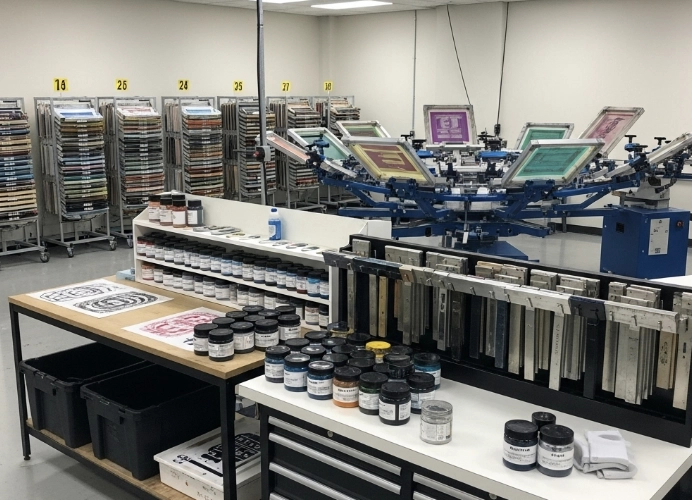
- Clean screens immediately after work: This extends the life of the screens and reduces errors.
- Prepare ink and screens in advance: Before starting actual work.
- Practice on old shirts: Before starting actual work, especially for dark colors.
- Document ink mixing formulas: For specific customer orders to ensure consistent quality.
Conclusion: Despite encountering problems, every issue can be transformed into a learning opportunity to become a professional. Screen printing is a craft that requires continuous learning and practice. The issues that arise are not discouraging but opportunities to deepen understanding of the work process. Paying attention to every detail, from screen preparation to ink mixing and printing techniques, at Screen168, we believe that every problem has a solution, and we accumulate these experiences to create the highest quality work for our customers. If you are looking for a screen printing shop that understands every aspect of craftsmanship and can deliver beautiful, sharp, and worry-free work, contact us for consultation.
Ready to Print Custom DTF with Screen168 Bangkok?
Single pieces to bulk wholesale. Free artwork file check and instant online pricing 24/7.
🚀 View Sizes, Prices & Order Online→