
Techniques for Managing DTF Ink and Film Stock Efficiently
In the Era of Rapidly Growing DTF Garment Printing Business, Effective Management of DTF Ink and Film Stock is Crucial
In an era where the DTF (Direct to Film) garment printing business is booming, the key to sustaining profitability is not just about sales but also about “efficient management of DTF ink and film stock.” Both materials have expiration dates, are sensitive to environmental conditions, and are major costs for the business. Poor management can lead to material degradation, stockouts, or hidden losses.
This article will guide you through the techniques to manage DTF ink and film stock smoothly, reduce production waste, and increase profits for your printing business.
Why is Managing DTF Ink and Film Stock Important?
DTF ink (especially white ink) and PET film have unique properties that differ from general screen printing materials.
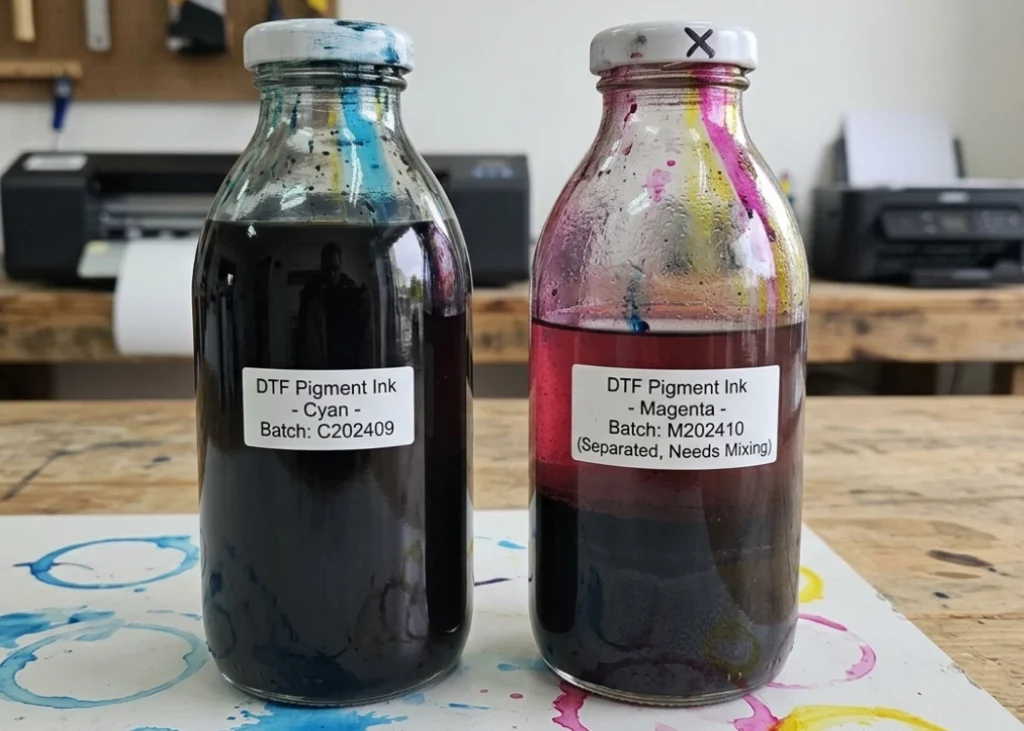
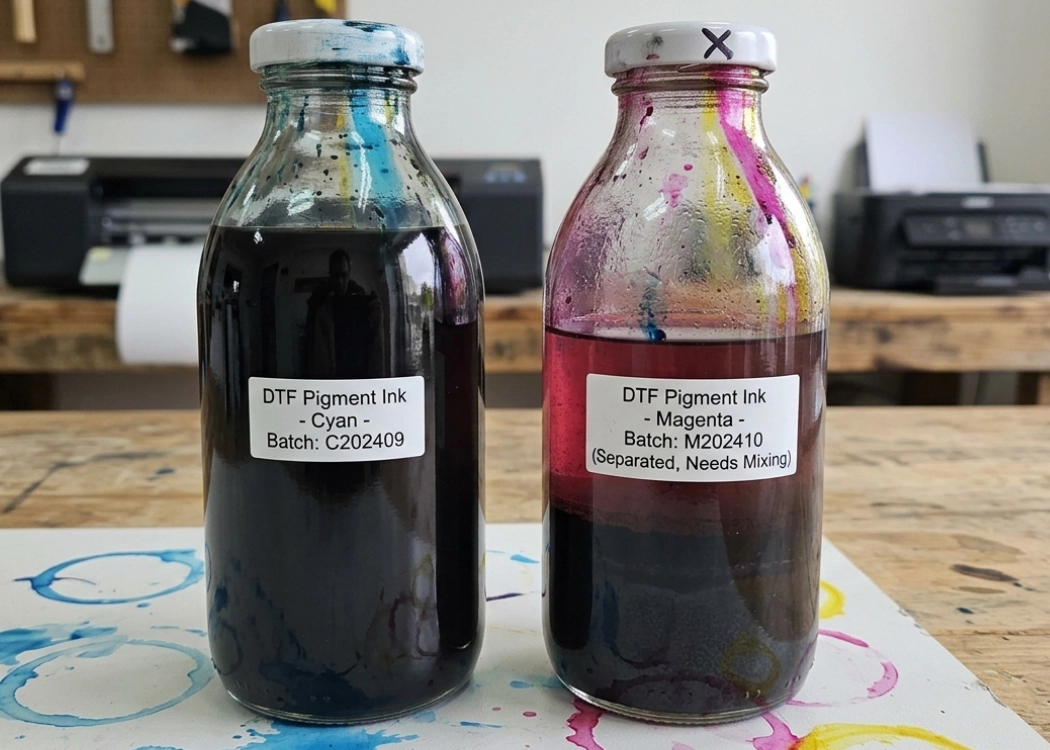
DTF Ink: Contains pigment particles that can settle easily if left unattended for too long. Improper storage can cause the ink to separate and clog the printhead.
DTF Film: Sensitive to humidity and temperature. If stored improperly, the coating on the film can deteriorate, causing the ink to not adhere properly or the hot-melt adhesive powder to stick inconsistently.
Without a good stock management system, hidden costs from damaged goods can erode your profits unknowingly.
4 Techniques for Efficient DTF Ink and Film Stock Management
- Implement FIFO (First-In, First-Out) Stock Rotation
The fundamental but crucial principle is “first in, first out.” Place the ink and film that were purchased first at the front for easy access and use. Don’t forget to label the packaging with the date of receipt to prevent old materials from expiring in stock.
- Control Storage Environment (Temperature and Humidity Control)
DTF materials require special environmental care:
-
Ink Storage Area: Should be at room temperature (approximately 20-25°C), avoid direct sunlight, and shake the ink bottles (especially white ink) once or twice a week to prevent settling.
-
Film Storage Area: Must be dry and cool, avoid high humidity as it can cause the hot-melt adhesive powder to stick to the film in unwanted areas. Seal the bags tightly after each use.
- Set Accurate Reorder Points
Don’t wait until the last drop of ink or the last roll of film is used before ordering more. Calculate the average weekly material usage and add the supplier’s lead time to set a safety stock level. This prevents production delays due to material shortages.
- Choose Reliable Suppliers with Fresh Stock
Purchase DTF ink and film from distributors with continuous stock turnover to ensure you receive newly produced ink and film with intact coatings, not stored for too long.
Summary
Systematic management and control of DTF ink and film stock not only help reduce waste and hidden costs but also maintain the quality of your prints, ensuring they are beautiful, durable, and delivered on time. This builds long-term customer trust. Start adjusting your stock system in your store today to turn hidden costs into growing profits.
Ready to Print Custom DTF with Screen168 Bangkok?
Single pieces to bulk wholesale. Free artwork file check and instant online pricing 24/7.
🚀 View Sizes, Prices & Order Online→