
Comparing the Hand Feel: DTF T-Shirt Screen Printing vs. Traditional Silk Screen - Which is Better?
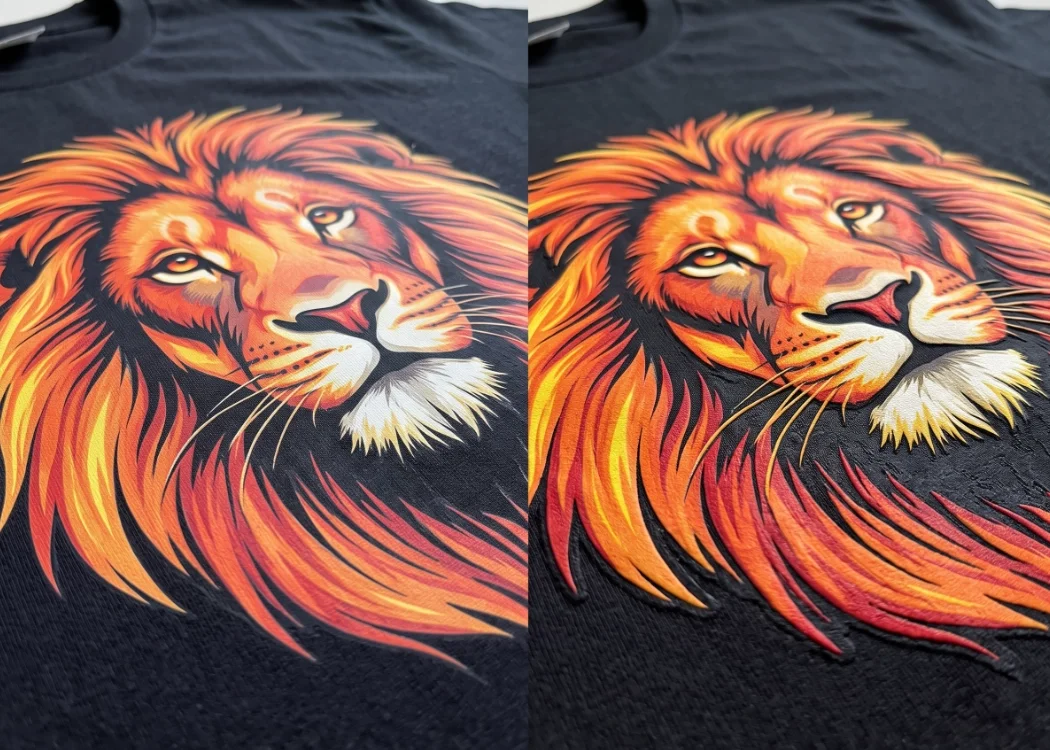
In the fashion and apparel manufacturing industry, beyond the beauty of the design and the vibrancy of the colors, there is a hidden success factor that often determines how frequently a customer will wear a shirt: the “Hand Feel” or texture.
For clothing brand owners, online sellers, or even those looking to order custom team shirts, choosing the right T-shirt screen printing system directly impacts the overall texture of the garment. A popular question that always arises is: Between the trending DTF (Direct to Film) printing and traditional Silk Screen, how does the printed texture differ? Which one offers a more premium, comfortable feel, and better suits the modern lifestyle?
This article will take you deep into the chemical structure of printing inks and the production process, providing a clear comparison of how these two printing systems create different tactile sensations on the skin. This will guide you in choosing the best option for your brand.
What is “Hand Feel” in T-Shirt Screen Printing, and Why is it Important?
In the textile industry, “Hand Feel” refers to the sensation you get when you touch the fabric and the printed design. It is the evaluation of the softness, stiffness, thickness, roughness, or elasticity of the printed surface.
Why is Hand Feel important? Imagine buying a beautifully designed graphic tee, but when you wear it, the printed area on the chest is incredibly thick and stiff—like having a piece of plastic or cardboard glued to it. It blocks the airflow, feels sticky when you sweat, and feels tight when you move. Ultimately, that shirt will end up at the back of the closet, never to be worn again.
Therefore, creating the best wearer experience through T-shirt screen printing requires prioritizing a texture that is lightweight, stretches with the body, and is highly breathable. Each screen printing technique yields completely different Hand Feel results.
Deep Dive into the Hand Feel of Traditional Silk Screen
The Silk Screen system is a legendary printing technique that has been with the apparel industry for a long time. It involves using a squeegee to press ink through a mesh screen onto the fabric. The hand feel of a silk screen largely depends on the “type of ink” the print shop chooses. It is mainly divided into 3 types with different hand feels:
- Plastisol Ink (Thick, Dense, and Opaque): This is the most widely used ink in industrial silk screening. Its main component is PVC, making the colors glossy, vibrant, and capable of completely covering the shirt’s color. However, the resulting print is “thick and raised.” You can clearly feel a layer of color coating the fabric. If printing large designs, the texture becomes stiff, inelastic, and feels hot when worn.
- Rubber Ink (Elastic but Sticky): A widely used water-based ink mixed with rubber. It offers a slightly sticky hand feel and higher elasticity than plastisol, but it still leaves a noticeable thickness on the fabric surface. The more screen blocks layered, the thicker the print becomes.
- Water-based Ink (Soft, Blends with Fabric): This ink penetrates deeply to dye the fabric fibers directly. It provides the best hand feel—soft and almost unnoticeable to the touch. The design blends 100% seamlessly into the fabric. The downside is that it cannot be printed on dark-colored shirts.
The Hand Feel Innovation of DTF (Direct to Film) T-Shirt Printing
When comparing DTF T-shirt printing with silk screen, DTF technology has directly addressed and solved the issue of stiff textures found in traditional methods.
The DTF process involves using a printer to spray Water-based Pigment Ink onto a film, coating it with TPU (Thermoplastic Polyurethane) powder, baking it to melt the adhesive, and then heat-pressing it onto the shirt. This yields outstanding hand feel results:
- Lightweight and Seamless Integration: The volume of ink and TPU adhesive is controlled to be extremely thin. When heat-pressed, the adhesive and ink melt and bind with the fabric fibers. The print becomes lightweight, not raised, and feels smooth and natural to the touch.
- High Elasticity: The TPU powder in the DTF system is highly stretchable. When applied to a shirt and stretched, the print expands with the fabric fibers and returns to its original shape without cracking.
- Customizable Surface Finish: If a cold-peel film is used and re-pressed with a Teflon sheet, the resulting surface finish will be smooth and matte, looking elegant and classic.
Head-to-Head Comparison: DTF vs. Silk Screen Hand Feel
To paint the clearest picture, let’s compare the Hand Feel properties of the DTF system and Silk Screen across 4 key dimensions:
1. Thickness Profile
- DTF T-shirt Printing: Thin to medium. The ink and adhesive layers melt into a thin film that adheres closely to the shirt’s surface, making it unobtrusive when worn.
- Silk Screen (Plastisol): Very thick and raised. The raised rubbery coating on the fabric is clearly noticeable.
- Silk Screen (Water-based): 100% smooth. The ink disappears into the fabric fibers, leaving zero thickness.
2. Elasticity & Stretchability
- DTF T-shirt Printing: Very high elasticity. TPU adhesive allows the print to stretch with the fabric and retract without cracking.
- Silk Screen (Plastisol): Low to medium elasticity. Pulling the shirt forcefully often results in visible cracking on the printed area.
- Silk Screen (Water-based): Very high elasticity, as the color has become part of the fabric fibers.
3. Breathability
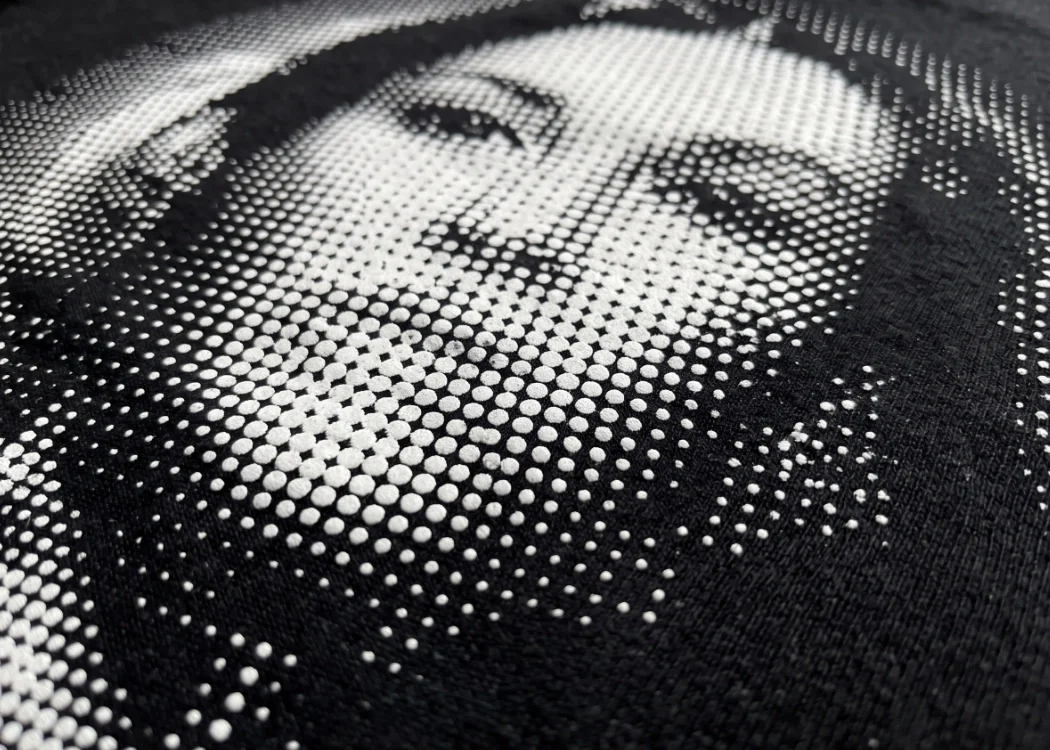
- DTF T-shirt Printing: Moderate breathability (depending on the design). However, if designers use the Halftone technique to create gaps in the design, airflow is excellent, and it doesn’t feel hot to wear.
- Silk Screen (Plastisol): Very low breathability. The plastisol rubber blocks all gaps in the fabric fibers, preventing airflow and making the wearer feel hot or sweaty around the chest.
- Silk Screen (Water-based): Very high breathability. Air flows normally, just like wearing a blank shirt.
4. Softness & Comfort
- DTF T-shirt Printing: Feels soft and flexible. The surface is not stiff or scratchy, ensuring all-day comfort.
- Silk Screen (Plastisol): Feels stiff, rough, and like rubbing a piece of rubber or plastic.
- Silk Screen (Water-based): The softest, as you are touching the cotton fibers directly.
Factors Making Modern DTF Hand Feel Better Than Ever
Many might have heard that in its early days, DTF technology often resulted in thick, plastic-like prints. That might have been true years ago. But today, chemical innovation has advanced significantly. The factors making the Hand Feel of modern DTF excellent enough for top brands to choose it include:
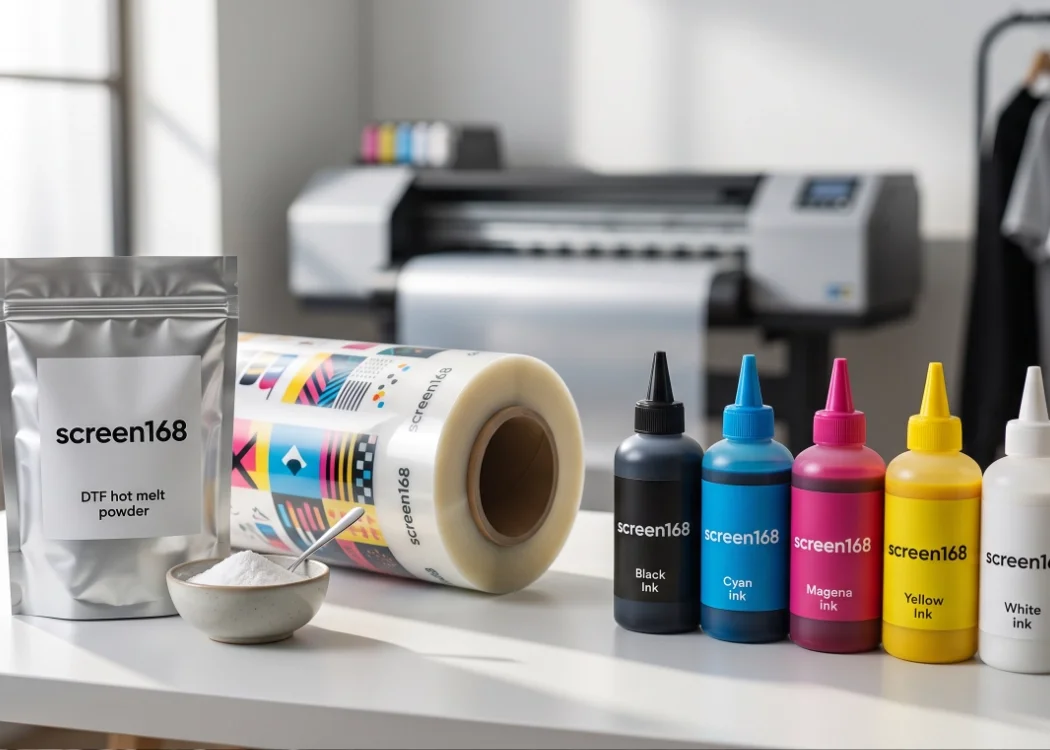
- Evolution of TPU Powder: Modern DTF powder is extracted and ground into ultra-fine particles, with cheap plastic hot-melt ingredients removed. This allows the adhesive to melt into an ultra-thin, soft film.
- AI Ink Control: Modern printer software calculates ink drops precisely, preventing thick, overlapping layers of ink, which thins out the overall image layer.
- Halftone Technique: This is the secret of T-shirt screen printing designers. Instead of printing a solid block, designers use computers to create dotted patterns or vintage distressed looks. When printed with DTF, the design becomes incredibly soft and breathes just like a blank shirt.
Which Printing Method Best Suits Your Brand?
When it comes time to choose between DTF T-shirt printing and Silk Screen, the answer depends on your “brand identity” and your “design”:
- Choose Silk Screen (Plastisol): If your brand focuses on raw, dark Streetwear that requires thick, raised prints with heavy textures, and you are mass-producing thousands of pieces of the exact same design.
- Choose DTF T-shirt Printing: If your brand emphasizes complex graphics, color gradients, or photo prints, and you want to offer wearers a premium, comfortable, flexible experience. Most importantly, if you need a “no minimum order” service with unlimited colors, the DTF system is your perfect solution.
Understanding Hand Feel is the key to elevating your product quality, reducing return rates, and impressing your customers. If you are looking for a reliable custom T-shirt printing shop that understands the importance of texture and utilizes high-quality DTF printers and adhesives, partnering with experts will help your brand grow sustainably.
Ready to Print Custom DTF with Screen168 Bangkok?
Single pieces to bulk wholesale. Free artwork file check and instant online pricing 24/7.
🚀 View Sizes, Prices & Order Online→