
DTF Printing Durability: How Wash-Resistant Are DTF Printed T-Shirts?
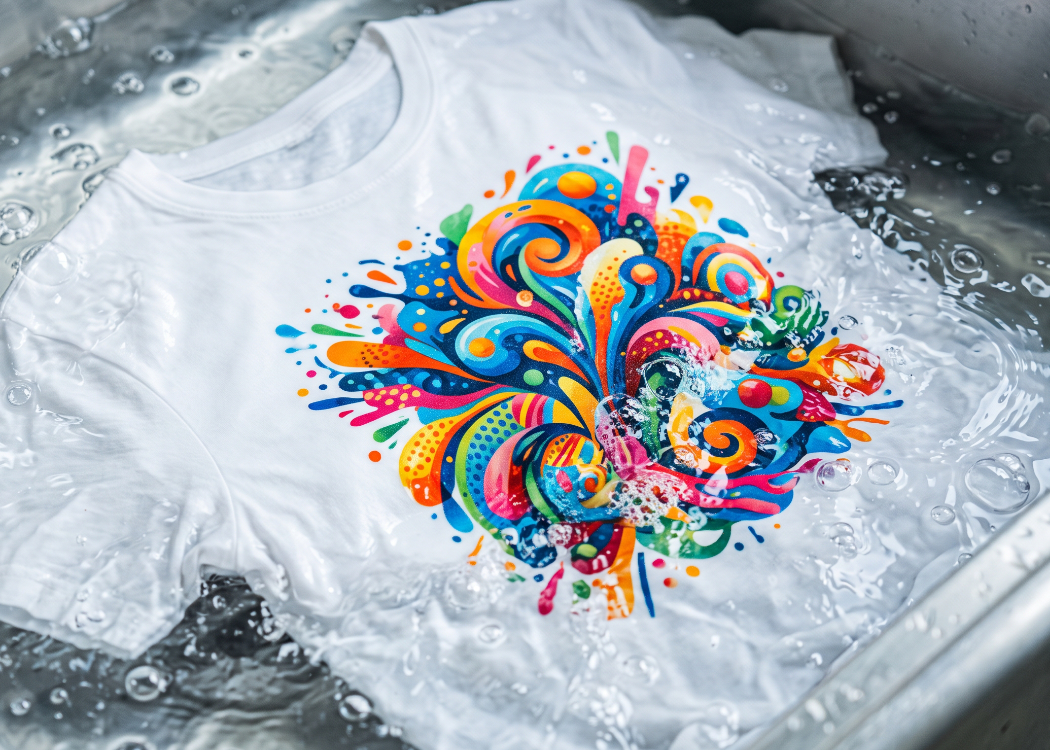
Understanding the Durability of DTF T-Shirt Printing
When choosing to buy or produce a T-shirt, one of the top concerns for consumers and clothing brand makers is “durability,” especially when it comes to washing the printed T-shirt. Many people have encountered issues such as screen prints peeling off, flaking, or fading after just a few washes. Currently, a popular printing technology in T-shirt printing shops is the DTF (Direct to Film) system, which is renowned for its clarity. However, how well does this system meet the durability requirements when it comes to washing printed T-shirts? This article delves into the characteristics of DTF printing in an unbiased manner, referencing real-world operational principles.
Understanding the Working Principles of the DTF System
The durability of screen printing begins with the production process. The DTF system involves printing patterns onto a clear film using pigment ink. Hot-melt powder is then sprinkled onto the back of the printed pattern and heated to melt the adhesive. When printing onto a T-shirt, the film is pressed onto the shirt using a heat press machine.
It is this heat pressing process that sets DTF apart from older printing systems. The heat melts the adhesive and pushes it into the fabric fibers, ensuring that the print is not just a surface coating but is firmly bonded to the fabric’s structure. This results in greater flexibility and a robust bond, enhancing the print’s durability.
Evaluating Durability During Washing and Usage
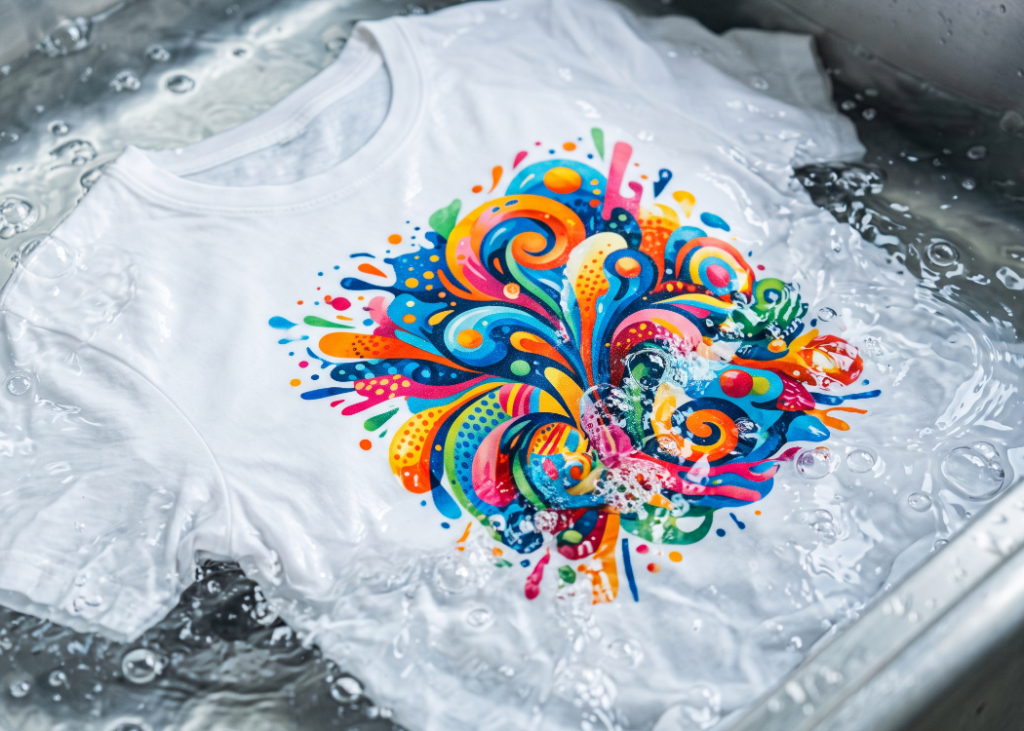
When DTF printed T-shirts are put to actual use and go through the washing process, the prints are found to be highly durable against the agitation of the washing machine, meeting industry standards. The ink used in this system is resistant to water and common cleaning agents, reducing the risk of fading with repeated washing.
Moreover, the flexibility of the adhesive that bonds with the fabric allows the print to expand and contract with the fabric during washing and wearing, significantly reducing the risk of cracking. However, the durability of the print is not solely dependent on the technology but also varies based on the quality of materials used by the factory, including the grade of ink, quality of adhesive powder, and the temperature and duration of heat pressing. If these processes adhere to standards, the prints can withstand washing for a long time, until the fabric itself deteriorates.
Tips for Maintaining the Longevity of DTF Printed T-Shirts
Even with efficient production technology, proper maintenance is crucial in reducing the degradation of printed patterns. Standard recommendations for maintaining DTF printed T-shirts include:
- Turn the shirt inside out before washing: This reduces direct friction between the print and the washing machine drum or other clothes.
- Avoid excessively high temperatures: Do not wash with very hot water and avoid prolonged high-temperature drying, as excessive heat can degrade the adhesive that bonds the print.
- Do not iron directly over the print: If ironing is necessary, do not apply the iron directly to the print. Instead, turn the shirt inside out and iron from the back, or place a thin cotton cloth over the print before ironing.
Conclusion
DTF printing technology offers reliable durability during washing. The prints are highly flexible and bond well with the fabric, reducing the risk of cracking or peeling. For clothing businesses, choosing a partner or manufacturer with expertise, such as Screen 168, ensures that production adheres to standards, uses high-quality materials, and delivers products that are long-lasting and truly valuable to end customers.
Ready to Print Custom DTF with Screen168 Bangkok?
Single pieces to bulk wholesale. Free artwork file check and instant online pricing 24/7.
🚀 View Sizes, Prices & Order Online→