
5 Reasons Clothing Brands Should Choose DTF Printing for New Collections
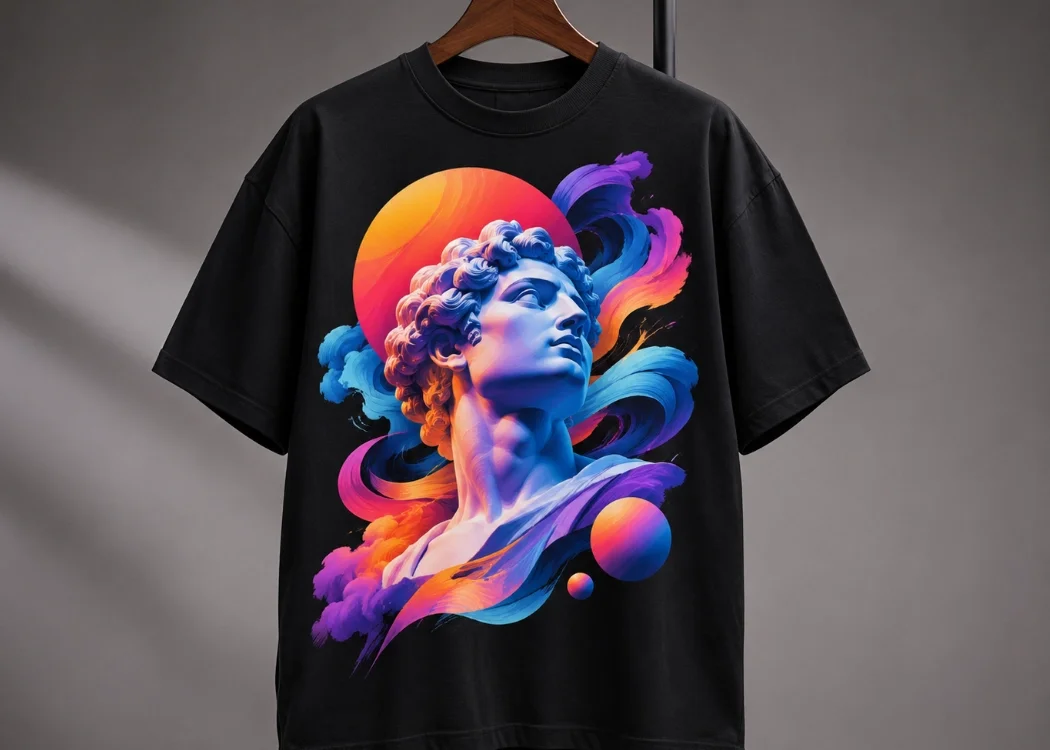
Building a successful clothing brand today involves much more than creating attractive designs. Brand owners must also consider print quality, production costs, product launch speed, and the ability to adapt their collections to changing market demands. For emerging clothing brands and businesses preparing to introduce new collections, choosing the right garment printing technology can play a significant role in their long-term success.
One technology gaining attention among apparel businesses is DTF printing (Direct to Film printing). This digital printing method involves printing designs onto a specialized film before transferring them onto fabric using heat and pressure. DTF printing allows clothing brands to create garments featuring colorful, detailed, and complex designs without preparing separate screens for each color.
Additionally, DTF T-shirt printing fits well with modern apparel business models that prioritize flexibility. Whether producing limited-edition garments, testing new designs, or developing seasonal collections, clothing brands increasingly benefit from production methods that can adapt quickly to changing requirements.
In this article, we explore five important reasons why clothing brand owners should consider DTF printing for their next collection, along with practical guidance on using this technology to support business growth.
1. DTF Printing Produces Detailed Designs with Sharp Images and Vibrant Colors
A clothing brand’s identity often begins with its designs. Whether a collection features illustrations, typography, graphic artwork, or distinctive patterns, choosing a printing method that accurately reproduces these details is essential for creating products that stand out from competitors.
DTF printing uses digital printing technology to reproduce multicolored images in a single printing process. This makes it particularly suitable for intricate artwork compared with traditional printing methods that rely on individual solid-color layers.
For clothing brands that use graphic designs as a central selling point, DTF printing provides considerable creative flexibility.
Print Multicolored Designs Without Separate Screens
Traditional screen printing generally requires separate screens for individual colors within a design. As a result, producing artwork with numerous colors can involve additional preparation, setup time, and associated costs.
In contrast, DTF printing produces multicolored graphics digitally using CMYK inks combined with white ink. This process can reproduce artwork containing various visual elements, including cartoon illustrations, street art, fashion graphics, and gradient effects.
For example, a clothing brand designing a T-shirt featuring a colorful character illustration does not need to simplify its artwork into just a few colors to reduce screen preparation costs.
This flexibility gives designers greater creative freedom when developing new collections.
However, actual color accuracy still depends on several factors, including the original artwork, color management settings, printing inks, transfer film, and production process.
Brands with strict color requirements should request printed samples before proceeding with large production orders, particularly when matching established brand colors is important.
Reproduce Fine Details and Distinctive Graphic Artwork
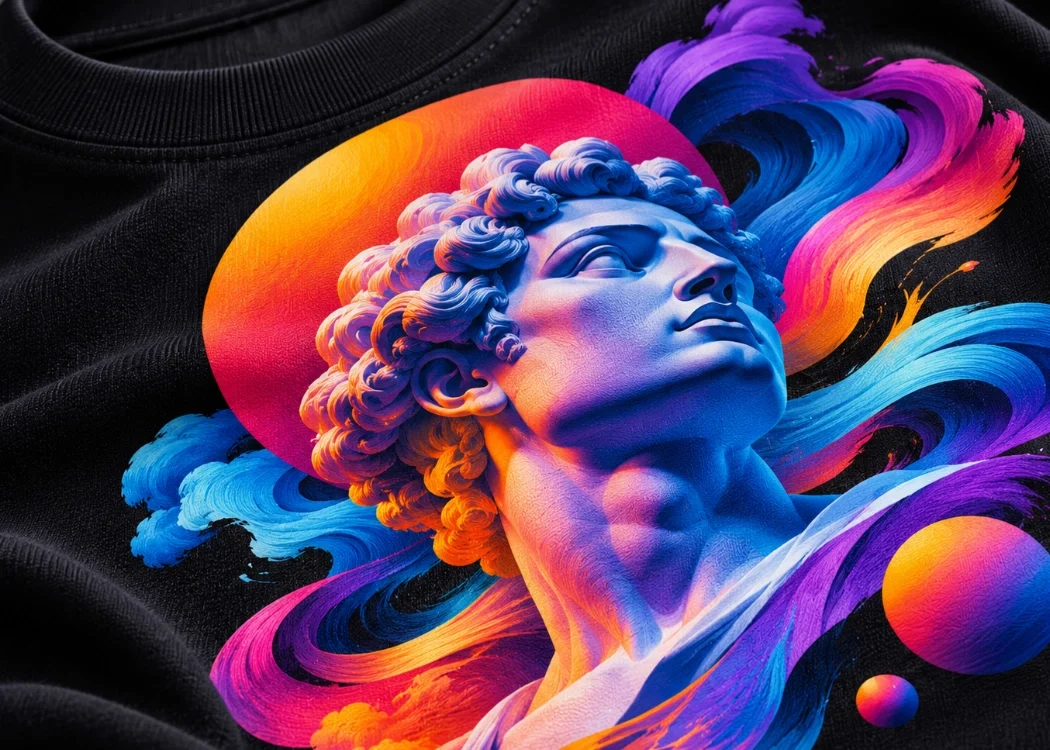
For clothing brands that emphasize artistic expression, DTF printing can reproduce fine lines, gradients, shadows, and complex illustrations when the artwork has sufficient resolution and the printing process is properly configured.
For instance, a streetwear brand may want to feature a detailed, full-color illustration across the back of a T-shirt. Another brand may collaborate with an illustrator to develop an exclusive collection featuring original artwork.
DTF printing can help bring these creative concepts from digital files onto physical garments.
However, extremely fine lines and tiny isolated details may present challenges related to adhesive bonding and durability.
Before production, brands should consult their printing provider about minimum line thickness, print dimensions, and other artwork requirements to achieve the desired results.
Develop a Unique Identity for Your Clothing Collection
Successful clothing brands often develop a recognizable visual identity through consistent design elements.
These elements may include signature colors, distinctive illustration styles, unique graphic arrangements, or artwork that reflects the brand’s personality.
Because DTF printing supports detailed multicolored designs, clothing brand owners can experiment with creative concepts without being restricted by the number of colors used in traditional screen printing.
This makes DTF printing particularly useful for developing collections with a distinctive appearance and for creating products aimed at specific audiences.
By combining original artwork with an appropriate printing technique, clothing brands can strengthen their visual identity and create products that customers associate with their brand.
2. DTF Printing Supports Small-Batch Production and Market Testing
One of the biggest challenges when starting a clothing brand is determining how many garments to produce for each design.
Producing too many units can create excess inventory and tie up valuable capital. On the other hand, producing only a small number of garments using certain traditional printing methods may result in high setup costs per piece.
This is where DTF printing for clothing brands becomes an attractive option.
Because the process does not require separate printing screens for individual designs, DTF printing offers greater flexibility when producing small quantities or frequently changing artwork.
Reduce the Risks of Large Inventory Commitments
Imagine a clothing brand planning to release a new collection featuring five different T-shirt designs.
At the beginning of the launch, the owner may not know which designs will become bestsellers.
Producing large quantities of every design immediately could result in significant amounts of unsold inventory.
By choosing DTF printing, the brand can begin with a smaller production run, such as 10–20 garments per design, and evaluate customer demand before ordering additional quantities.
Actual minimum orders and production costs will depend on the printing provider’s policies and pricing structure.
This approach allows brand owners to make decisions based on real sales performance rather than relying entirely on predictions.
For emerging clothing businesses, testing products in smaller quantities can help protect cash flow and reduce unnecessary inventory expenses.
Ideal for Limited-Edition Clothing Collections
Limited-edition collections are a popular strategy for clothing brands that want to create exclusive products and generate customer interest.
These collections may feature seasonal graphics, collaborations with artists, special event designs, or artwork available for a limited period.
DTF printing is well suited to this type of production because designs can be changed without creating new printing screens for every collection.
For example, a streetwear brand could introduce a special holiday collection featuring several unique graphics.
A clothing brand collaborating with an independent artist could also produce a limited number of garments featuring exclusive illustrations.
Additionally, DTF printing allows brands to test different design placements, garment colors, and print sizes before selecting the final versions for sale.
This flexibility helps clothing brands develop limited-edition collections while maintaining greater control over production quantities.
Supports Pre-Order Clothing Business Models
Pre-order sales are another strategy that can help clothing brand owners manage their working capital.
Rather than producing large quantities before receiving orders, brands can collect customer purchases first and then organize production based on confirmed demand.
DTF printing works well with this business model.
A clothing brand may prepare its artwork or printed DTF transfers in advance and then apply the designs to garments according to the quantities ordered.
However, production planning must still account for garment availability, quality inspection, heat pressing, packaging, and shipping.
These considerations are necessary to ensure customers receive their products within the promised delivery period.
For brands operating with limited budgets, combining small-batch DTF printing with a pre-order model may reduce the financial risks associated with maintaining large amounts of inventory.
3. DTF Printing Works with Various Fabric Types and Expands Product Opportunities
Growing clothing brands often want to expand beyond basic T-shirts.
Depending on their target customers, they may introduce hoodies, polo shirts, sportswear, jackets, sweatshirts, or other fashion products.
Choosing a printing technique compatible with different fabric types can provide greater flexibility when developing these additional product categories.
DTF printing can be applied to a wide range of textile materials.
However, results depend on the fabric composition, surface treatments, heat sensitivity, and the type of adhesive used during the transfer process.
Compatible with Cotton and Polyester Fabrics
Cotton T-shirts remain a popular choice for clothing brands because of their comfortable feel and suitability for everyday wear.
Polyester and blended fabrics are also widely used in sportswear, event clothing, uniforms, and various fashion garments.
DTF printing can be used on both cotton and polyester materials through an adhesive layer that bonds the printed design to the fabric surface.
This versatility allows clothing brands to explore different garment styles while using a similar printing process.
However, certain polyester fabrics require additional precautions.
One potential issue is dye migration, where dyes from the fabric move into the printed design, potentially affecting its appearance.
Some polyester garments may also be sensitive to excessive heat during the transfer process.
Therefore, printing providers should test DTF transfers on the actual garment material before beginning production.
For more information on garment printing technologies and suitable applications, clothing brand owners can consult Epson’s garment printing guide.
Expand Your Clothing Brand’s Product Range
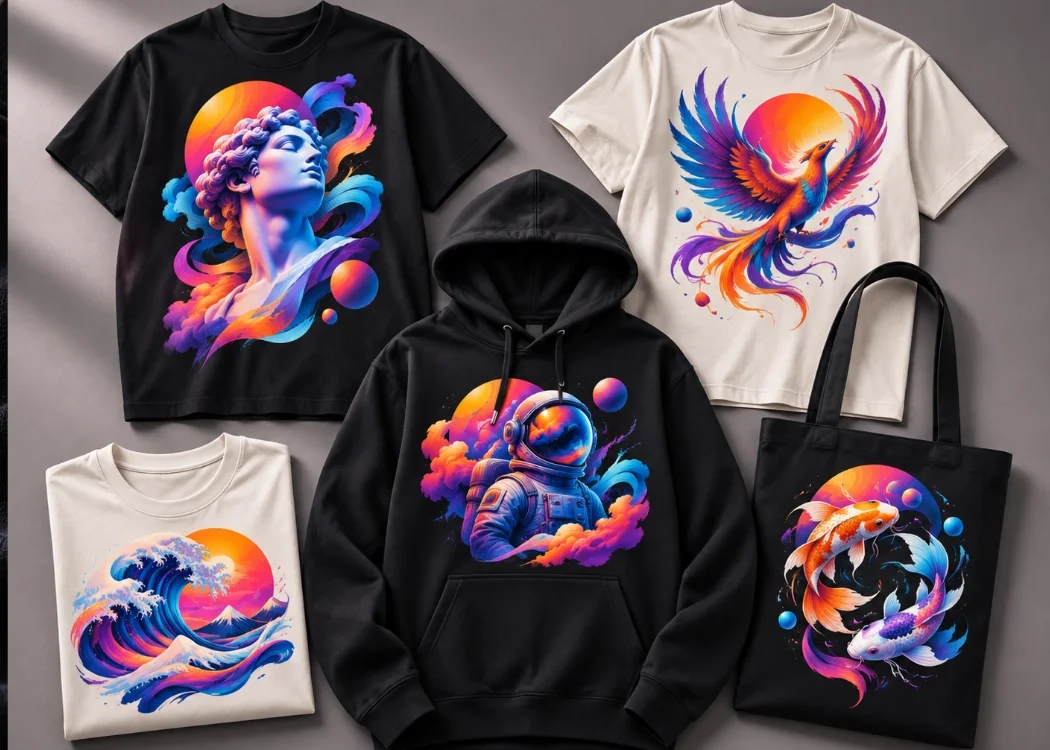
Beyond conventional T-shirts, DTF printing can be used for suitable hoodies, sweatshirts, fabric bags, and other textile products designed to withstand heat transfer.
For example, a streetwear brand could apply the same graphic design to T-shirts, hoodies, and tote bags, creating a coordinated collection with a consistent visual identity.
This approach allows customers to choose different products featuring their favorite designs.
Expanding a clothing brand’s product range can also provide additional sales opportunities and help attract customers with different preferences.
However, not all fabrics can be printed using identical heat and pressure settings.
Materials such as nylon, waterproof textiles, and specially coated fabrics may require specific adhesives and transfer conditions.
Before introducing products made from unfamiliar fabrics, brand owners should verify compatibility with their DTF printing provider.
Suitable for Both Light and Dark Garments
Garment color is an important part of collection design because it influences how printed graphics appear.
A design that looks attractive on a white T-shirt may create a completely different visual impression when applied to a black or navy garment.
DTF printing uses a white ink underbase beneath the colored artwork, helping designs remain visible on dark fabrics.
This allows printing on garments in colors such as black, navy blue, dark gray, and other darker shades.
As a result, clothing brands can use the same artwork across different garment colors without completely redesigning the graphic.
However, the final appearance of a print can still vary depending on the fabric, background color, and production conditions.
Brands should inspect printed samples on their intended garment colors before approving a complete collection.
4. DTF Printing Helps Control Costs and Provides Flexible Production Planning
Managing production costs is essential for clothing brands of every size.
Even when products sell successfully, excessive manufacturing expenses can reduce profitability.
DTF printing provides certain cost advantages for businesses that frequently change designs or produce relatively small quantities.
Because there is no need to prepare separate screens for each color, brands can avoid some of the setup expenses associated with traditional screen printing.
However, DTF printing is not automatically the cheapest method for every order.
For large production runs featuring simple designs with only a few solid colors, traditional screen printing may offer a lower cost per garment.
Reduce Screen Preparation Costs
Traditional screen printing requires equipment preparation and screens based on the colors and details of the artwork.
For multicolored designs or collections featuring many different graphics, these preparation expenses can increase.
Clothing brands that introduce new designs regularly may face additional setup costs whenever they release a new collection.
DTF printing eliminates the need for these individual printing screens.
This makes the process particularly attractive for collections containing several different designs or for brands that frequently modify artwork during product development.
Nevertheless, DTF production still involves costs associated with ink, transfer film, adhesive powder, printing, heat pressing, and quality control.
Brand owners should consider these expenses when comparing different printing methods.
Reproduce Bestselling Designs Based on Actual Demand
When certain designs become popular, clothing brands need a reliable way to replenish inventory.
DTF printing makes it relatively convenient to reproduce existing artwork because previously prepared digital files can be used again without creating new printing screens.
For example, imagine a brand launching four T-shirt designs and discovering that two designs generate significantly stronger sales.
Instead of reproducing all four designs equally, the brand can adjust its next production order to prioritize the two bestsellers.
This strategy helps direct available capital toward products with demonstrated customer demand.
It may also reduce excess inventory from less popular designs.
For clothing brands that frequently introduce new collections, using sales data to guide production can support more efficient inventory management.
Improve Flexibility During Product Development
Launching a clothing collection involves several stages.
These may include artwork creation, sample production, fitting tests, product photography, design adjustments, and final production approval.
DTF printing can simplify the sampling process because artwork can be modified without requiring new screen preparation.
For instance, a brand owner may want to compare different graphic sizes or experiment with placing artwork on the front, back, or sleeves of a garment.
With DTF printing, the brand can produce different samples and evaluate their appearance before approving the final design.
This approach provides greater flexibility during development and helps reduce the risk of committing to unsuitable artwork.
For brands introducing several collections throughout the year, a flexible sampling process can be especially valuable.
5. DTF Printing Offers Durability and Is Suitable for Commercial Clothing Production
Beyond design quality and production costs, garment durability is another important consideration for clothing brands.
Customers expect printed clothing to maintain an acceptable appearance after regular wear and washing.
Designs that peel, crack, or fade prematurely can negatively affect customer satisfaction and damage a brand’s reputation.
When produced with suitable materials and properly controlled processes, DTF printing can create flexible designs capable of withstanding normal garment use and washing.
However, the final durability depends heavily on material quality and production consistency.
Flexible Prints with Reliable Fabric Adhesion
DTF printing uses a specialized adhesive powder that is heated to create a bonding layer between the printed ink and the fabric surface.
When appropriate materials are used and the transfer is applied with suitable temperature, time, and pressure settings, the design can bond effectively to the garment.
This helps the printed artwork withstand everyday use.
However, the flexibility and feel of the finished print depend on several factors, including ink thickness, adhesive application, and the size of the design.
Large graphics containing extensive solid-color areas may feel thicker on the fabric and reduce breathability in the printed region.
For clothing brands that prioritize comfort and fabric softness, design coverage should be considered alongside printing quality.
A visually attractive print may not always provide the desired garment feel, particularly when large solid graphics are used.
Maintain Print Quality Through Proper Production Processes
The durability of DTF printing does not depend solely on the printing machine.
Several production factors contribute to the final result, including ink quality, transfer film, adhesive powder, adhesive curing, and heat transfer application.
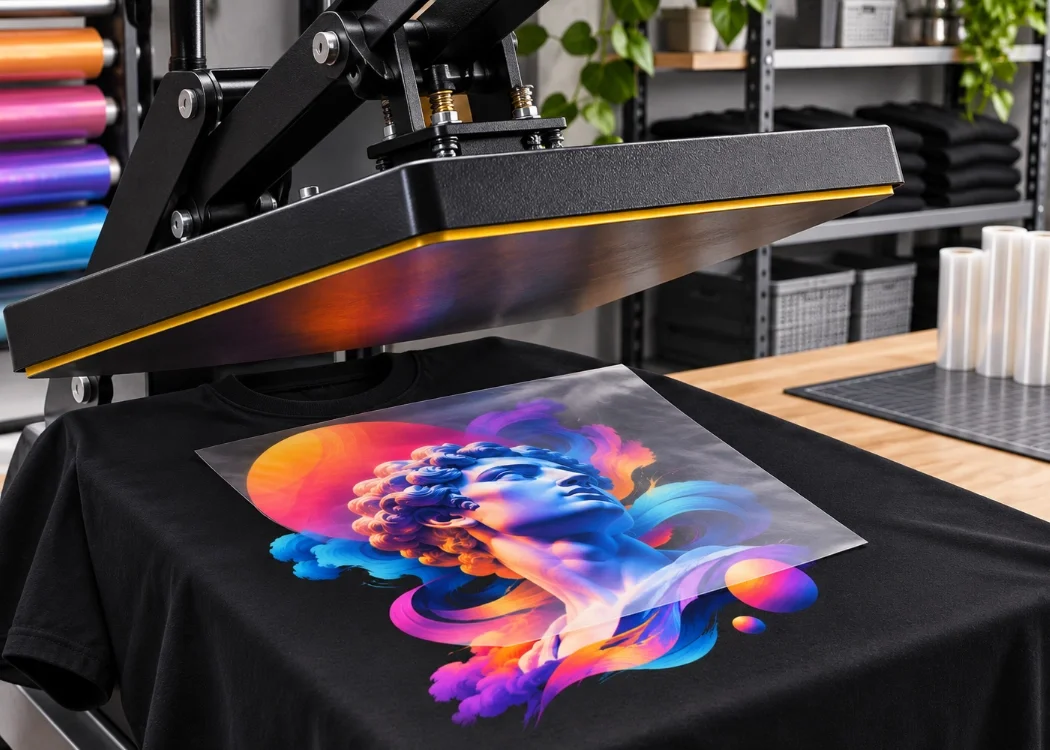
If insufficient heat is applied during the transfer process, the adhesive may not bond completely to the garment.
Conversely, excessive heat may damage certain fabrics or negatively affect the printed design.
For clothing brands seeking consistent product quality, working with a printing provider that carefully controls these production stages is important.
Brands should also consider washing test samples before approving large production quantities.
Manufacturers such as Epson provide technical guidance on DTF transfer conditions, although the appropriate settings must always be confirmed for the specific materials being used.
Improve Customer Confidence and Encourage Repeat Purchases
Customers evaluate clothing brands based on more than the product images displayed in an online store.
Their experience after receiving and wearing the garment also influences their overall satisfaction.
Clear print details, suitable adhesion, and proper garment care can help maintain the product’s appearance.
Clothing brands should provide care instructions to customers, such as turning garments inside out before washing, avoiding excessive heat, and not ironing directly over printed designs.
These recommendations can help customers maintain the condition of their clothing.
Paying attention to product quality and care information also demonstrates a brand’s commitment to its customers.
Positive experiences may encourage customers to purchase future collections and recommend the brand to others.
How to Choose the Right DTF Printing Service for Your Clothing Brand
Although DTF printing offers several advantages, print quality can vary between service providers.
For this reason, clothing brand owners should evaluate more than just the printing price when selecting a manufacturer.
The goal should be to find a service that can produce garments consistent with the brand’s expectations.
Check Print Quality Before Placing a Production Order
Before ordering a large quantity of printed garments, request samples or test the design on the actual fabric intended for production.
Important details to inspect include image sharpness, color reproduction, print edges, surface feel, and adhesion after washing.
Brands with specific corporate or signature colors should also provide color references when possible.
Colors displayed on a computer monitor may differ from the final printed results due to differences in display settings, printing systems, and materials.
Testing physical samples helps clothing brands evaluate whether the finished product meets their design requirements.
Choose a Service That Supports Your Production Model
Clothing brands should confirm whether a printing provider can support their intended manufacturing process.
For example, some businesses may need multiple designs printed within a single order.
Others may prefer to purchase ready-to-press DTF transfers and apply them to garments using their own heat press equipment.
Some brands may instead require complete printing and heat pressing services on finished garments.
It is also important to ask about production lead times, minimum order quantities, and artwork preparation requirements.
Understanding these conditions helps clothing brands plan product launches and manage customer expectations more effectively.
Evaluate the Total Production Cost
The lowest printing price does not necessarily represent the best overall value.
If a printed design fails quality checks or the finished product does not meet the brand’s expectations, additional production expenses may arise.
When comparing providers, consider the total cost of blank garments, printed transfers, heat pressing, packaging, shipping, and possible production defects.
Evaluating these expenses together helps brand owners establish suitable retail prices and make more accurate profit calculations.
What Types of Clothing Brands Benefit from DTF Printing?
DTF printing can support several types of apparel businesses, particularly those that need flexible production methods and frequently work with different graphic designs.
Streetwear Clothing Brands
Streetwear collections often feature large graphic elements, detailed illustrations, bold typography, and distinctive visual concepts.
DTF printing is suitable for producing colorful graphics that help define a streetwear brand’s identity.
However, for designs containing very large solid printed areas, brands should test the garment’s feel and breathability before proceeding with production.
Small Fashion Brands and Startups
New clothing brands often operate with limited budgets and need to manage inventory carefully.
DTF printing allows these businesses to test products in smaller quantities before expanding production.
This can help reduce inventory risks while giving owners opportunities to experiment with multiple designs.
For startups developing their first clothing collection, flexible printing methods can make the initial product development process more manageable.
Artist and Content Creator Merchandise Brands
Artists, illustrators, and content creators can use DTF printing to transform original artwork into clothing and merchandise.
The technology is particularly suitable for designs featuring multiple colors and detailed illustrations.
Creators may develop exclusive T-shirts, limited-edition apparel, or special merchandise collections for events and fan communities.
By using their existing artwork, creators can explore additional product opportunities without requiring large initial production runs.
Frequently Asked Questions About DTF Printing
Is DTF Printing Suitable for Starting a Clothing Brand?
Yes. DTF printing is particularly suitable for clothing brands that want to test the market, produce smaller quantities, or create multicolored designs.
Because the process does not require separate printing screens for each color, it offers flexibility for new collections.
However, brands should still calculate production costs and test the finished garments before offering them for sale.
Is DTF Printing Durable After Washing?
DTF prints produced with appropriate materials and proper transfer processes can withstand regular washing.
However, durability depends on material quality, heat pressing conditions, fabric type, and garment care.
A specific number of wash cycles should not be guaranteed without testing the actual printed product.
Which Is Better: DTF Printing or Screen Printing?
The better choice depends on the type of project.
DTF printing generally offers greater flexibility for smaller quantities, multiple designs, and detailed multicolored artwork.
Traditional screen printing may provide lower unit costs for large production runs featuring relatively simple designs with only a few solid colors.
The two methods also create different print textures and garment finishes.
Can DTF Printing Be Applied to Black T-Shirts?
Yes. DTF printing uses a white ink underbase beneath the colored design, allowing printed graphics to remain visible on dark garments.
This makes the technology suitable for black T-shirts and other dark-colored clothing.
However, print appearance and color accuracy should be checked on actual garments before large-scale production.
How Should Artwork Be Prepared for DTF Printing?
Artwork should have sufficient resolution for the intended print size.
PNG files with transparent backgrounds are commonly used, although printing providers may also accept original design files or other formats.
Before submitting artwork, check the design dimensions, background transparency, and any extremely thin lines or small details.
Following the printing provider’s artwork requirements can help achieve better results.
Conclusion: Why Should Clothing Brands Consider DTF Printing for New Collections?
Choosing the right garment printing technology can help clothing brands develop products more efficiently, especially in a competitive market where design, product quality, and speed to market all matter.
DTF printing offers five key advantages for clothing brands: the ability to reproduce detailed multicolored designs, support for small-batch production, compatibility with various fabric types, flexible production cost planning, and durable prints when produced correctly.
For clothing brand owners preparing to launch new collections, DTF printing is worth considering, particularly when designs change frequently, limited-edition garments are being developed, or customer demand needs to be tested before committing to larger production quantities.
Nevertheless, the most appropriate printing method should always be selected based on artwork requirements, fabric type, order volume, budget, and expected product quality.
Screen168 provides DTF printing services for entrepreneurs, clothing brand owners, and businesses developing customized apparel.
Our services include DTF transfer film printing and heat transfer application onto garments, helping customers turn their artwork into finished clothing products.
If you are preparing to launch a new clothing brand or develop your next collection, visit Screen168 to learn more about our DTF printing services and discuss the production options that best suit your designs and budget.
Ready to Print Custom DTF with Screen168 Bangkok?
Single pieces to bulk wholesale. Free artwork file check and instant online pricing 24/7.
🚀 View Sizes, Prices & Order Online→