
DTF Shirt Printing Techniques: How to Properly Shake White Ink, How Often, and How to Maintain the Printer Head
For DTF (Direct to Film) T-Shirt Printing shop owners, it is well known that the “heart” of achieving vibrant, clear, and durable prints lies in the quality of the “White Ink” underbase, which serves both as a primer and adhesive.
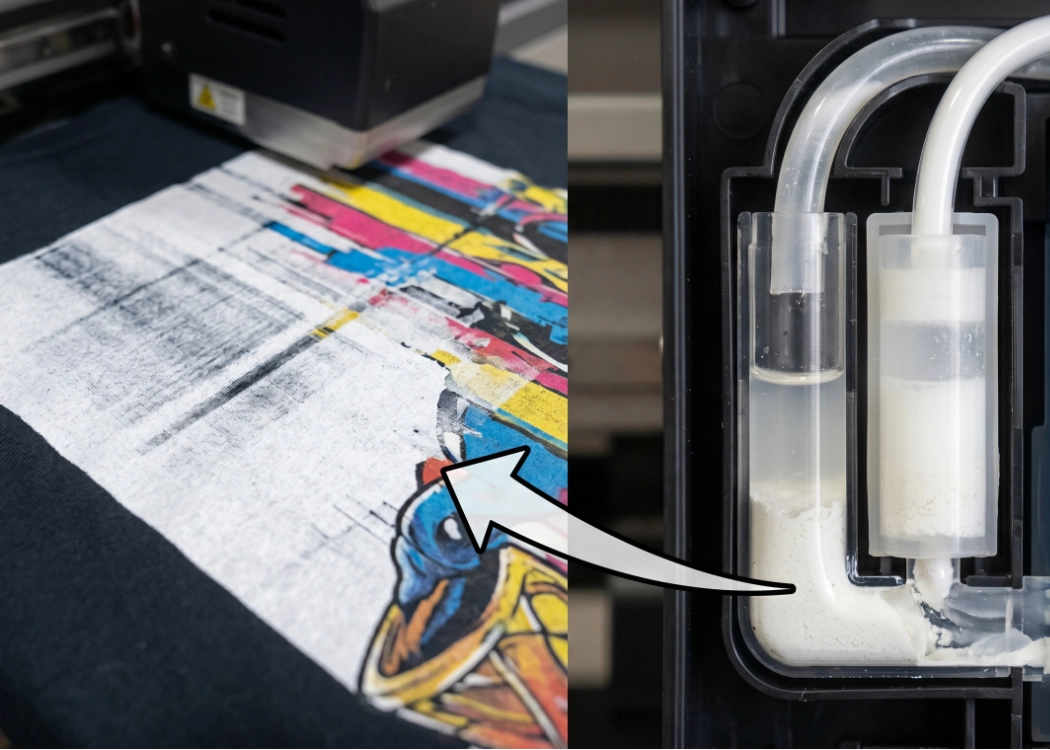
However, a common issue faced by DTF printer operators is clogged white ink heads or prints that come out with incomplete white coverage and banding, which is often not due to a faulty print head but rather due to “settling white ink.”
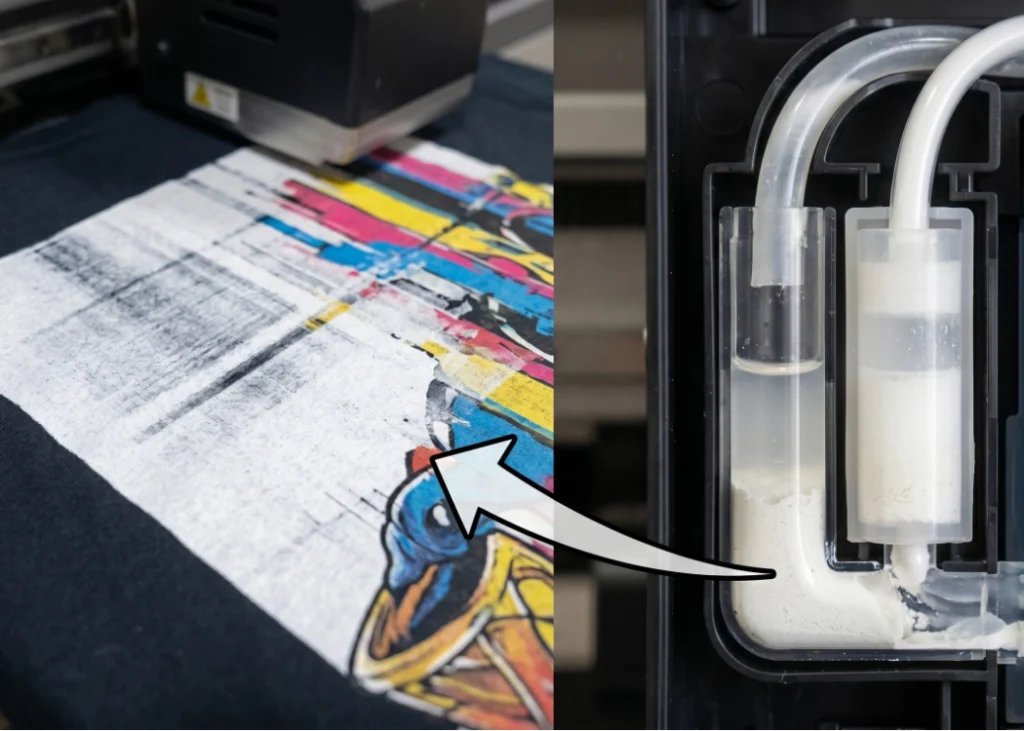
Today, Screen 168 will delve into the secrets of DTF white ink, teaching the correct technique for shaking the ink and how often it should be done to prevent settling, thereby extending the life of your i3200 or other print head models.
Why Does DTF White Ink Settle More Easily Than Other Colors?
First, we need to understand the chemical structure of ink. General CMYK ink is more transparent and uniform, but DTF white ink contains a primary ingredient called titanium dioxide (TiO2), which provides a highly opaque white pigment.
The downside of titanium dioxide particles is that they are “heavy.” When the ink bottle or tank is left stationary for a long time, gravity pulls the white particles to the bottom of the container, while the solvent rises to the top, causing the ink to “settle” or become sedimented.
If the settled ink is allowed to flow into the ink damper and nozzles of the print head, it can cause deep clogs that sometimes even a computer-ordered head cleaning cannot resolve, necessitating manual cleaning.
The Correct Way to Shake DTF White Ink (A Tip Many Technicians Miss)
Many new screen printers, upon learning that they need to shake the ink, often vigorously shake the bottle or tank like a soda can, which is incorrect and very harmful to the print head!
Vigorous shaking creates numerous small air bubbles that, when traveling through the ink tube into the damper and print head, can obstruct the ink flow, causing banding and inconsistent printing.
The Correct Method for Stirring or Shaking DTF White Ink (Gentle Agitation) Is As Follows:
Inverting Method: Hold the white ink bottle tightly closed and slowly invert it upside down, then flip it back up and down gently about 10-15 times to allow the settled particles to gradually mix back into the solvent.
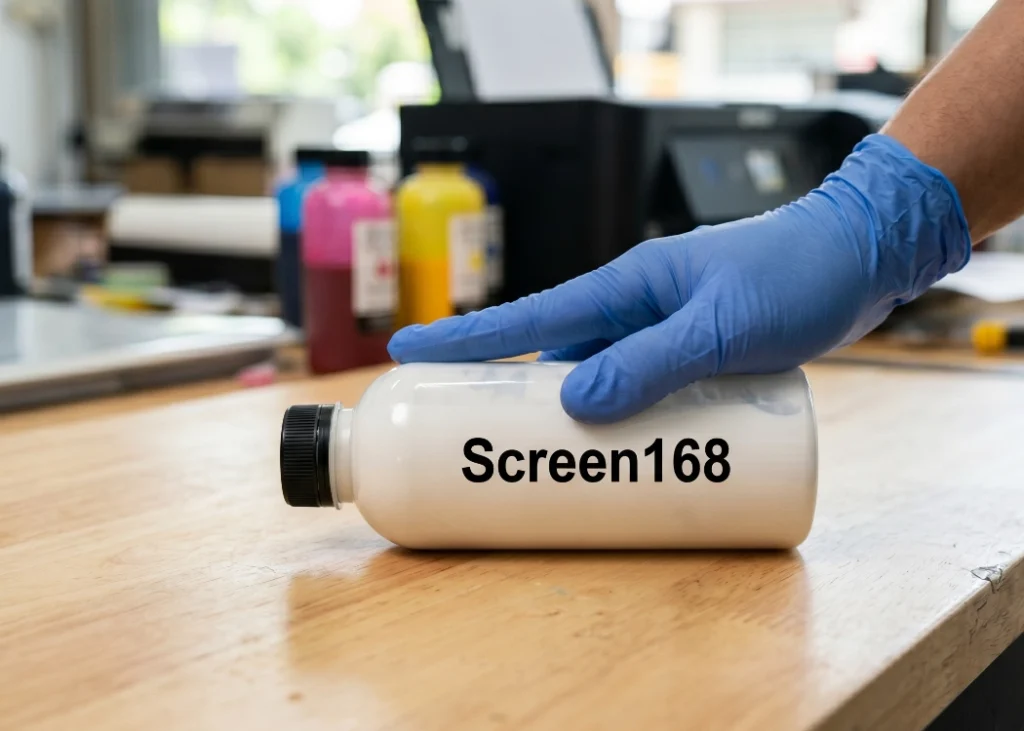
Rolling Method: Place the white ink bottle horizontally on a flat surface and roll it back and forth gently for about 1-2 minutes. This method helps mix the ink thoroughly with minimal air bubble formation.
Rest Period: After shaking or rolling the bottle, let it sit for about 10-15 minutes to allow any small air bubbles to rise to the surface before pouring it into the printer tank.
How Often Should You Shake or Stir DTF White Ink?
The frequency of stirring depends on your printer usage:
Shake before pouring into the tank each time: Most important! Never pour white ink into the tank without shaking or inverting the bottle.
Stir before starting work each morning: If your printer does not have an automatic ink stirring system (WIMS), use a clean plastic stirrer to gently stir the ink in the main tank for 1 minute before running a head cleaning to start work each day.
During continuous printing (long print runs): If you have large orders that require continuous printing for 4-6 hours, find short breaks to stir the ink gently to maintain consistent opacity.
Do You Still Need to Stir Manually with an Automatic Stirring System (WIMS)?
New DTF printers, including industrial models, often come with an automatic white ink circulation system (WIMS), which has a propeller to stir the ink in the tank and a motor pump to circulate the ink continuously.
The answer is: This system helps a lot, but not 100%.
While WIMS works excellently, ink that is stagnant in the “damper” above the print head is often not directly circulated. If you do not use the printer for 2-3 days, the ink in the damper may still settle. Therefore, regularly performing nozzle checks or pumping out a small amount of ink each day is still necessary to ensure fresh ink replaces the old ink in the damper.
Conclusion from Screen 168
Printer head clogs from white ink are preventable if you understand its chemical behavior. Proper and consistent shaking or stirring of white ink not only reduces waste, poor print quality, or banding but also saves thousands of dollars in print head replacement costs.
If you are looking for a partner in DTF T-Shirt Printing or facing production issues, Screen 168 is ready to provide professional consultation and services with genuine expertise in DTF printing systems and ink.
Ready to Print Custom DTF with Screen168 Bangkok?
Single pieces to bulk wholesale. Free artwork file check and instant online pricing 24/7.
🚀 View Sizes, Prices & Order Online→